Realistic Expectations: What Horse Racing Tips Can (and Can’t) Predict

Realistic Expectations: What Horse Racing Tips Can (and Can’t) Predict
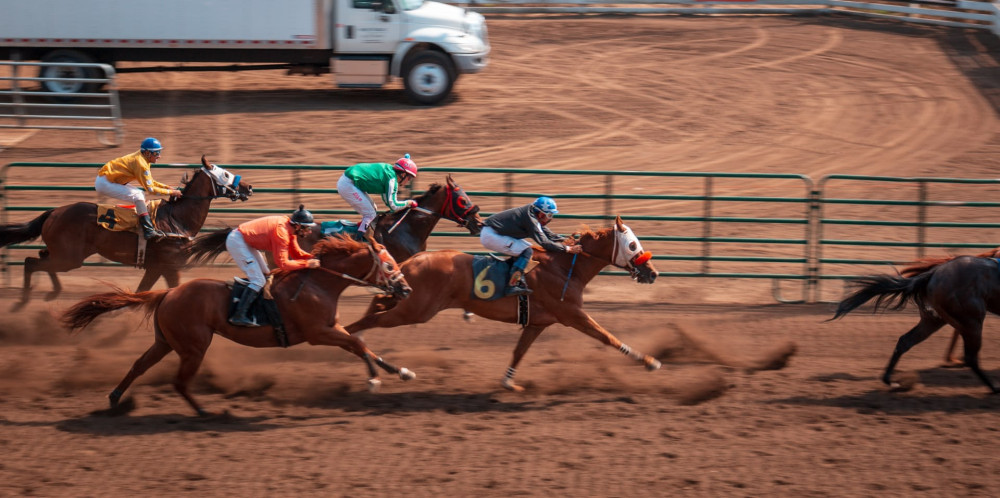
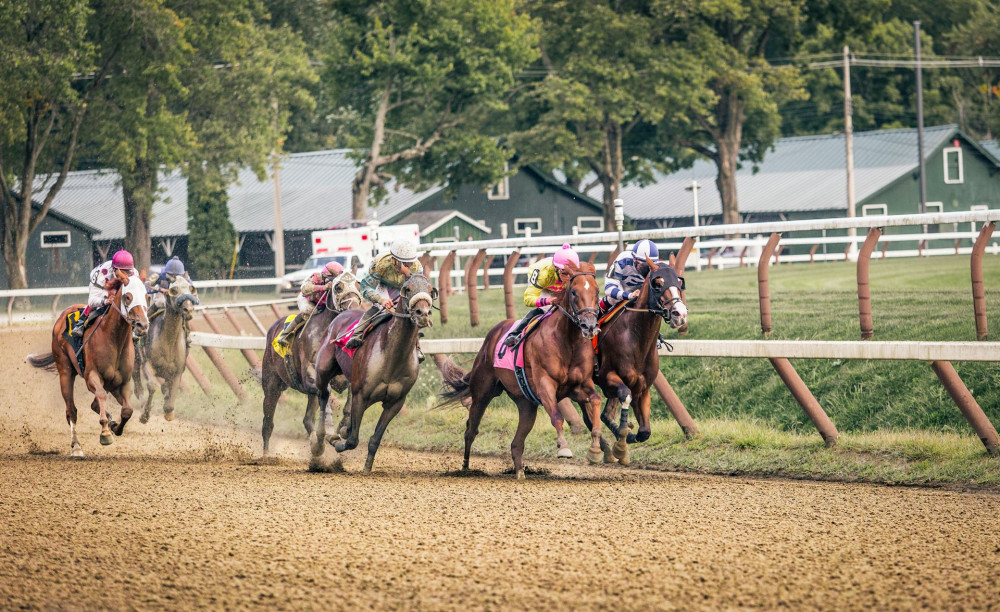
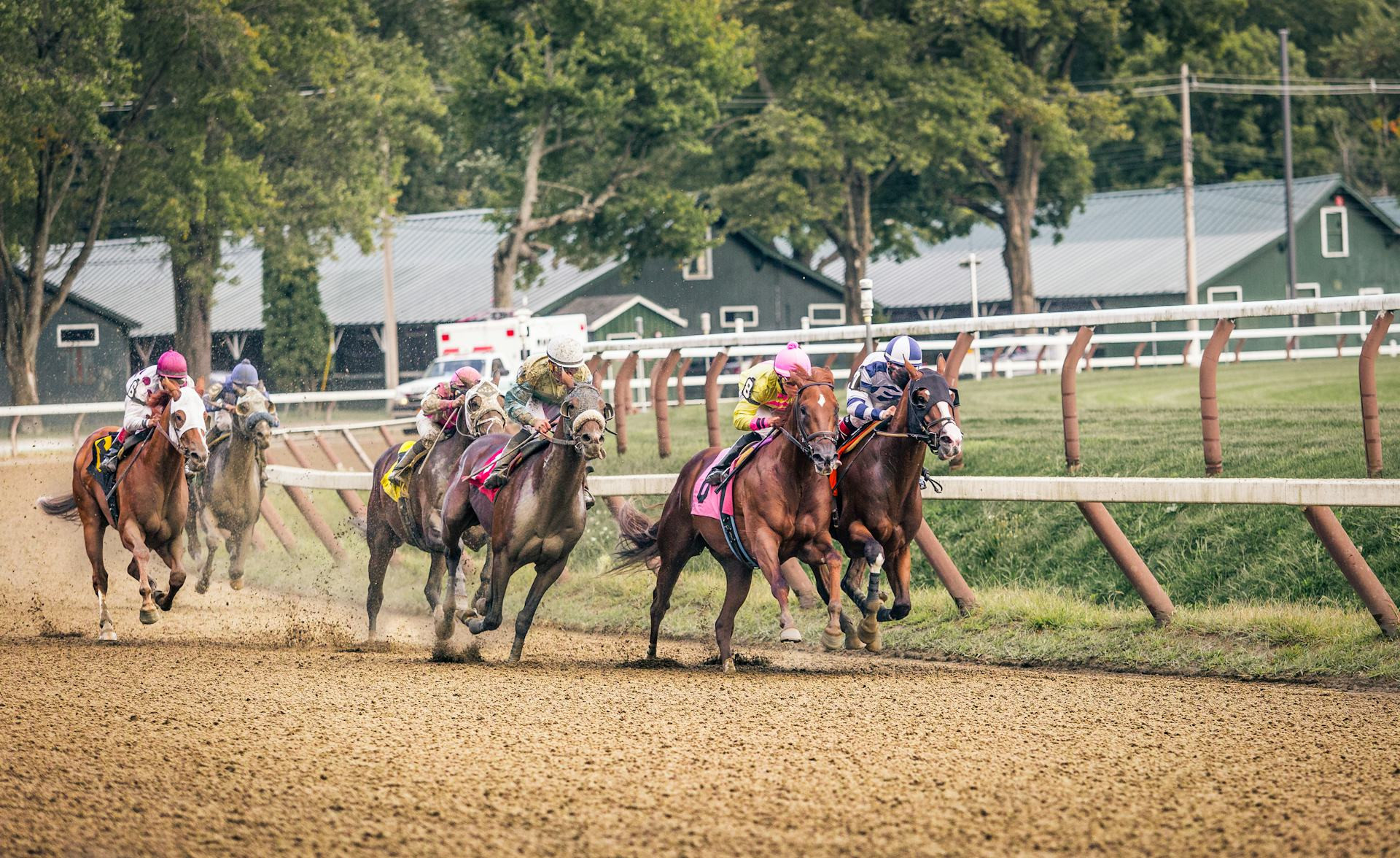
Horse racing is a sport where speed, strategy, and chance collide in a few thrilling minutes. For many Americans, it’s not just about the spectacle of the track but also about testing one’s insight and intuition through betting. Online and in print, countless handicappers and tip sheets promise to improve your odds. But how much can these tips really predict—and how much still comes down to luck?
This article explores what horse racing tips can genuinely help you with, and where the line between analysis and unpredictability lies.
What Horse Racing Tips Are Based On
Serious handicapping is built on a mix of data, experience, and observation. Tipsters—people who analyze races and offer betting advice—typically consider factors such as:
- Horse form: How has the horse performed in recent races? Is it improving, or showing signs of fatigue?
- Jockey performance: A skilled jockey can make a crucial difference, especially in close finishes.
- Track and weather conditions: Some horses excel on fast, dry tracks, while others perform better in muddy or sloppy conditions.
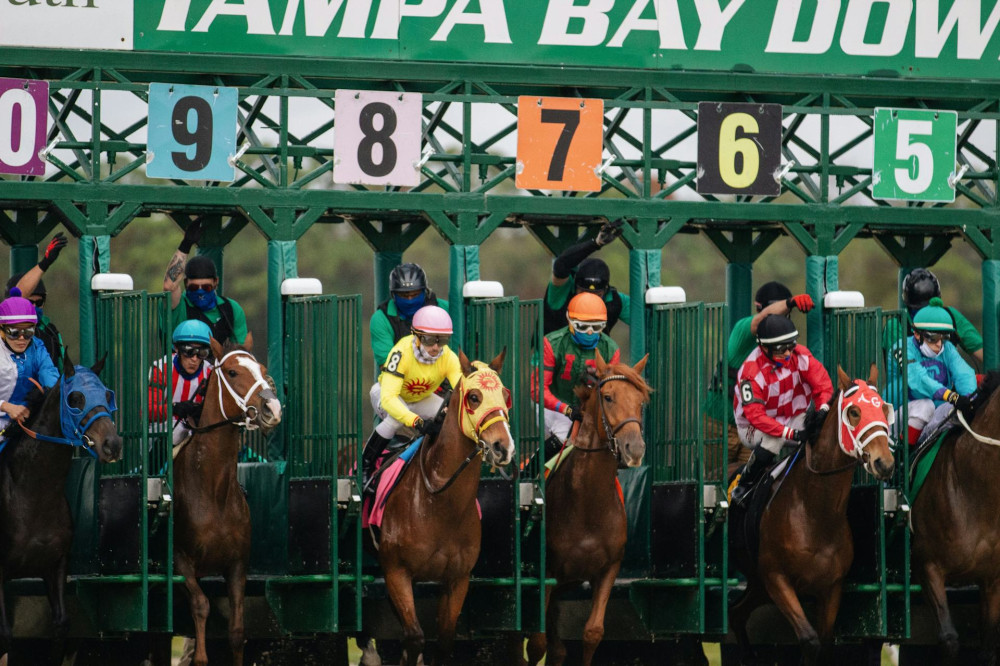
- Post position and race strategy: A favorable starting gate can help, but it also depends on the horse’s running style.
- Trainer record: Certain trainers have strong track records at specific venues or with particular types of horses.
By combining these factors, handicappers can make educated predictions about which horses are most likely to perform well. But even the most thorough analysis can’t account for everything.
What Tips Can’t Predict
While tips can give you a better foundation, horse racing remains unpredictable. A horse might stumble out of the gate, get boxed in by other runners, or react unexpectedly to crowd noise. Tiny moments of chance can change the outcome of a race in seconds.
And then there’s luck—a bigger factor than most bettors like to admit. Even professional handicappers go through losing streaks because the sport’s nature simply doesn’t allow for total control. That unpredictability is part of what makes horse racing so exciting—but also what makes betting risky.
How to Use Tips Wisely
Using horse racing tips isn’t about finding a “sure thing.” It’s about making more informed decisions. Here are a few ways to get the most out of them:
- Compare multiple sources: Read different experts’ opinions and note where they agree or differ.
- Understand the reasoning: A good tip isn’t just about who might win—it’s about why.
- Bet responsibly: Set a budget and stick to it. Betting should be entertainment, not a source of income.
- Learn from results: Track which types of tips tend to be accurate and which don’t. Over time, you’ll get better at judging the quality of analysis.
Data and Technology: New Tools for Bettors
In recent years, data analytics and algorithms have become part of horse racing. Some bettors use advanced models that analyze thousands of races to identify patterns. These systems can offer a statistical edge, but they still can’t remove uncertainty.
Technology can help spot value—situations where the odds don’t reflect the true probability—but it can’t guarantee a win. Even the most sophisticated models must accept that horses aren’t machines and that races can unfold in unpredictable ways.
Læs også:
Realistic Expectations Lead to Better Experiences
Betting on horse racing can be thrilling and intellectually engaging when approached with realistic expectations. Tips can deepen your understanding of the sport, make races more exciting, and help you make smarter choices. But they can’t eliminate chance or ensure consistent winnings.
The best mindset is to treat tips as tools, not answers. When you accept that luck and uncertainty will always play a role, the experience becomes more enjoyable—and far less stressful.
Læs også: