From Coin Tosses to Models: The Evolution of Betting Through Time


From Coin Tosses to Models: The Evolution of Betting Through Time
Betting is one of humanity’s oldest forms of entertainment—and risk. From ancient coin tosses in bustling marketplaces to today’s sophisticated algorithms calculating odds in milliseconds, wagering has mirrored our culture, technology, and psychology. But how did we move from simple guesses to complex models, and what does that evolution reveal about us?
From Oracles and Dice to Coins and Commerce
The roots of betting stretch back thousands of years. In ancient China and Mesopotamia, people carved dice from bone and stone, using them for games that blended chance, ritual, and prophecy. In Greece and Rome, betting became part of daily life—on chariot races, gladiator fights, and even political outcomes.
A simple coin toss could settle disputes or decide fates. It wasn’t just about money; it was about chance, destiny, and the thrill of surrendering control to luck—or the gods.
From Games of Chance to Sports and Spectacle
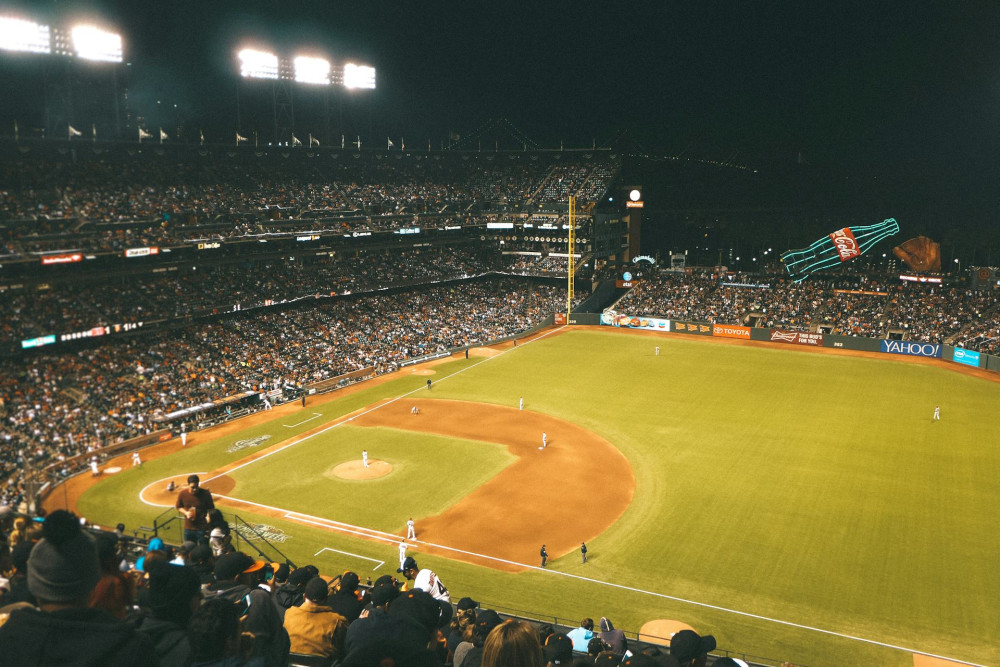
During the Middle Ages, gambling spread across Europe, often in defiance of religious bans. People wagered in taverns, at fairs, and during tournaments. By the 18th and 19th centuries, as industrialization transformed society, betting found a new home in organized sports. Horse racing, boxing, and later baseball became arenas for both competition and speculation.
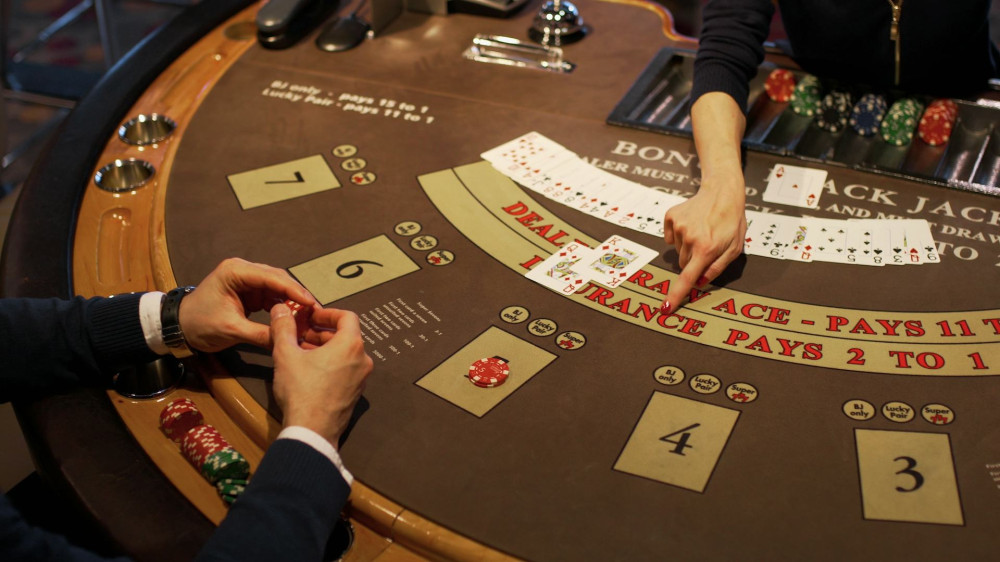
Bookmakers began offering fixed odds, turning betting into a structured business rather than a casual pastime. In the United States, horse tracks and later Las Vegas casinos became symbols of both opportunity and risk—a uniquely American blend of ambition and chance.
The Rise of Probability and the Science of Prediction
As mathematics advanced, betting evolved from intuition to calculation. The birth of probability theory in the 17th century—with thinkers like Pascal and Fermat—laid the groundwork for modern odds-making. By the 20th century, statistics and data analysis had become central to the betting industry.
Bookmakers and bettors alike began using models to predict outcomes, searching for “value” in the numbers. Betting became a contest between human instinct and mathematical precision—a dance between luck and logic.
Læs også:




The Digital Revolution: From Betting Windows to Screens
The internet changed everything. In the 1990s, online betting platforms made it possible to wager on almost anything, anytime, anywhere. Sportsbooks went digital, and new forms of betting—like live, in-game wagers and esports—emerged.
Data became the new currency. Algorithms now process vast amounts of information: player stats, weather conditions, injuries, and historical trends. For many bettors, success is no longer about luck but about understanding the system—or at least trying to.
Artificial Intelligence and the Future of Betting
Today, betting is entering a new era. Artificial intelligence and machine learning are being used to predict outcomes with unprecedented accuracy. Some models can simulate thousands of games in seconds, adjusting odds in real time.
But this progress raises questions: Where is the line between analysis and manipulation? And does the game lose its soul when everything can be calculated?
From Chance to Control—and Back Again
Technology has made betting more sophisticated, but its essence remains unchanged: the excitement of the unknown. Whether flipping a coin or tapping a screen, we’re still chasing the same thrill—the hope of being right, the rush of uncertainty.
Betting has evolved from ritual to industry, from guesswork to modeling. Yet our fascination with risk and randomness endures. Perhaps that’s why betting continues to captivate us—it reminds us that, no matter how much we analyze or predict, life itself will always hold an element of chance.
Læs også: