The Pace of Blackjack: How the Game’s Rhythm Affects Your Decisions

The Pace of Blackjack: How the Game’s Rhythm Affects Your Decisions
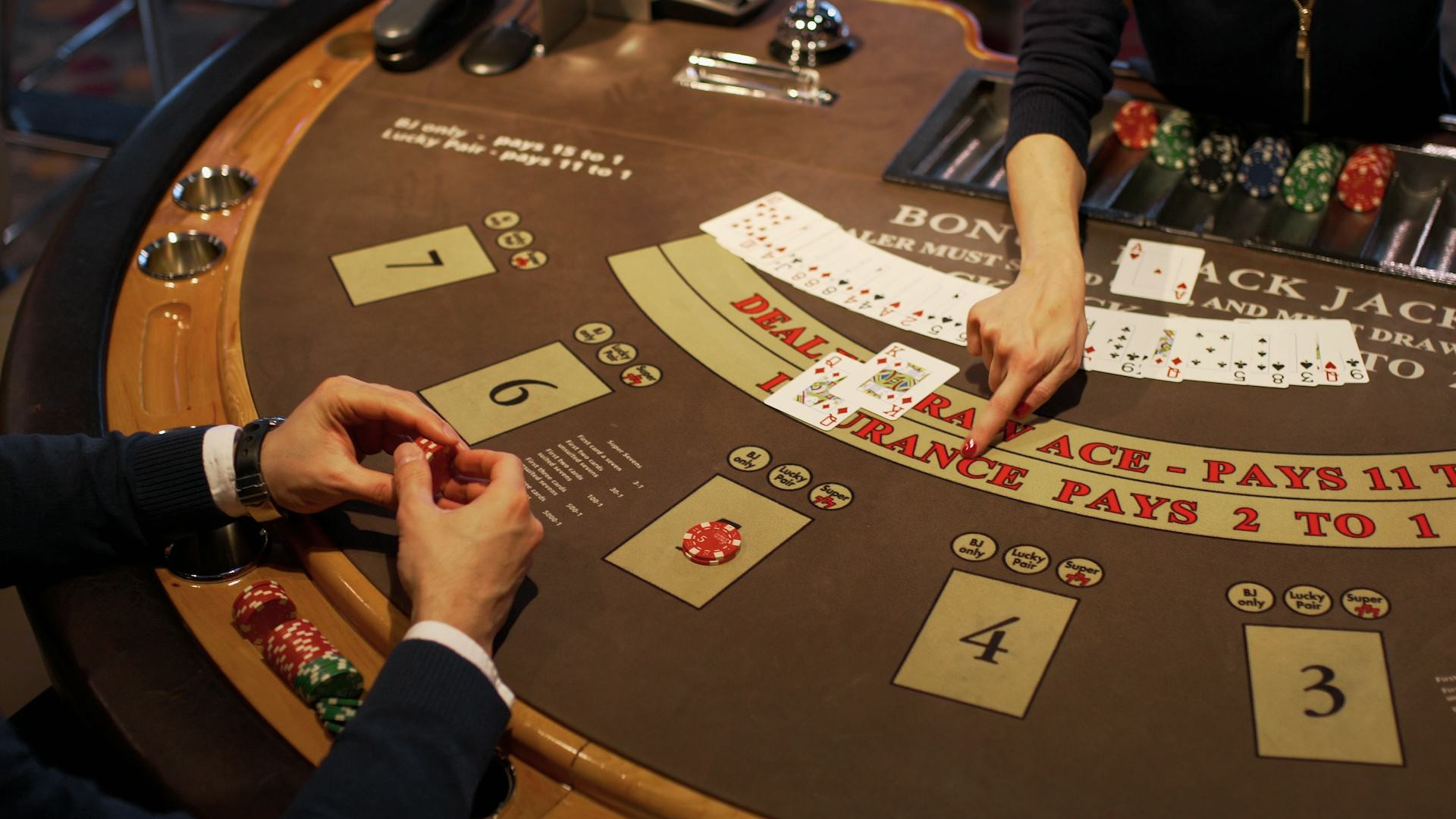
When you sit down at a blackjack table—whether in a Las Vegas casino or on your favorite online platform—it’s not just the cards that shape the outcome. The pace of the game, meaning how quickly each hand unfolds, has a major influence on your decisions, focus, and overall performance. Blackjack is a blend of strategy and psychology, and the rhythm of play can determine whether you’re making thoughtful choices or simply reacting on autopilot.
Fast Games – Fast Decisions
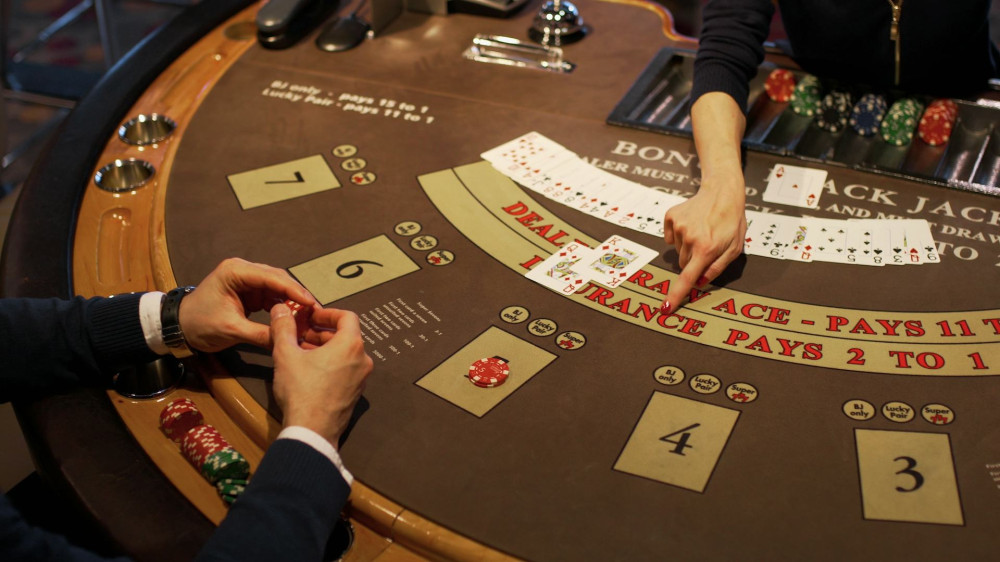
In many modern casinos, especially online, blackjack moves at a brisk pace. The dealer deals cards in a steady rhythm, and you have only seconds to decide: hit, stand, double down, or split? The quick tempo can be thrilling, but it also increases the risk of rushed decisions.
When the game moves fast, your brain has less time to process information. You’re more likely to rely on habits or gut feelings instead of deliberate strategy. After several rapid hands, many players find it harder to keep track of bets, cards, and previous outcomes. The excitement of a fast game can be fun, but it also makes it easier to lose focus and make emotional choices.
Slow Games – Room to Think
On the other end of the spectrum are slower-paced games. This might be a live table with only a few players or an online session where you control the speed yourself. A slower rhythm gives you time to think through your options, review probabilities, and align your moves with your overall strategy.
While a slower game may feel less exciting, it allows for more disciplined play. You can track patterns, manage your bankroll carefully, and avoid letting emotions take over. Many experienced players prefer this tempo because it offers control and reduces the chance of impulsive mistakes.
The Psychological Impact of Tempo
The pace of blackjack doesn’t just affect your decisions—it also shapes your mental state. A fast game can trigger an adrenaline rush that feels like part of the entertainment. But it can also lead to what psychologists call a “flow state,” where you lose track of time and act automatically. That can be beneficial if you’re following a solid strategy, but risky if you start betting more than you intended.
A slower pace, on the other hand, can promote calm and focus—but it can also lead to overthinking. Some players second-guess themselves when they have too much time to analyze. The ideal rhythm lies somewhere in between: fast enough to stay engaging, but slow enough to maintain clarity and control.
Læs også:

Online vs. In-Person Play – Two Different Rhythms
Online blackjack typically runs faster than in-person play. There are no breaks between hands, and you can play dozens of rounds in a short time. This efficiency can be appealing, but it also demands more mental stamina. If you play online, it’s wise to take short breaks, slow down intentionally, and resist the urge to chase the game’s speed.
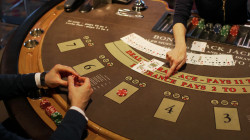
In a physical casino, the pace is naturally slower. The dealer shuffles, pays out winnings, and interacts with players, creating small pauses that let you breathe and think. The atmosphere—the sounds, the chatter, the rhythm of the table—also affects how you experience the game. Some players find it relaxing, while others feel pressured by the social environment.
Finding Your Own Pace
Understanding and managing the pace of blackjack starts with knowing yourself as a player. Here are a few tips to help you find the rhythm that suits you best:
- Start slow – especially if you’re new. Take time to learn the flow of the game and basic strategy.
- Take breaks – even short pauses can help you reset and avoid playing on autopilot.
- Set limits – for both time and money. Fast games can make it easy to lose track of both.
- Monitor your stress level – if you feel tense or restless, the pace may be too fast.
- Play consciously – whatever the tempo, make sure each decision is deliberate.
Rhythm as Part of Strategy
Many players think of blackjack purely in terms of math and probability, but rhythm is just as important. A controlled pace helps you stay composed, stick to your plan, and avoid the common mistakes that come from playing too quickly.
Next time you sit down at the table, pay attention to the rhythm. Are you following the game’s pace—or setting your own? The answer could be the difference between playing for fun and playing with true strategy and awareness.
Læs også: