Slot Machines as a Mirror of Their Time – Evolution, Design, and Cultural Trends


Slot Machines as a Mirror of Their Time – Evolution, Design, and Cultural Trends
For more than a century, slot machines have been a fixture of American entertainment culture—from the clinking mechanical reels of early saloons to the immersive digital worlds of today’s online casinos. They reflect not only technological progress but also the aesthetics, dreams, and social trends of their time. This article explores how slot machines have evolved and how they serve as a mirror of the societies that created them.
From Mechanics to Microchips
The story begins in the late 19th century. The most famous early slot machine, the Liberty Bell, was invented by Charles Fey in San Francisco in 1895. With three spinning reels and symbols like horseshoes, bells, and playing card suits, it offered a simple yet thrilling experience that quickly caught on in bars and saloons across the country.
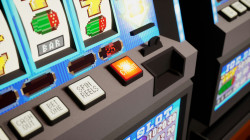
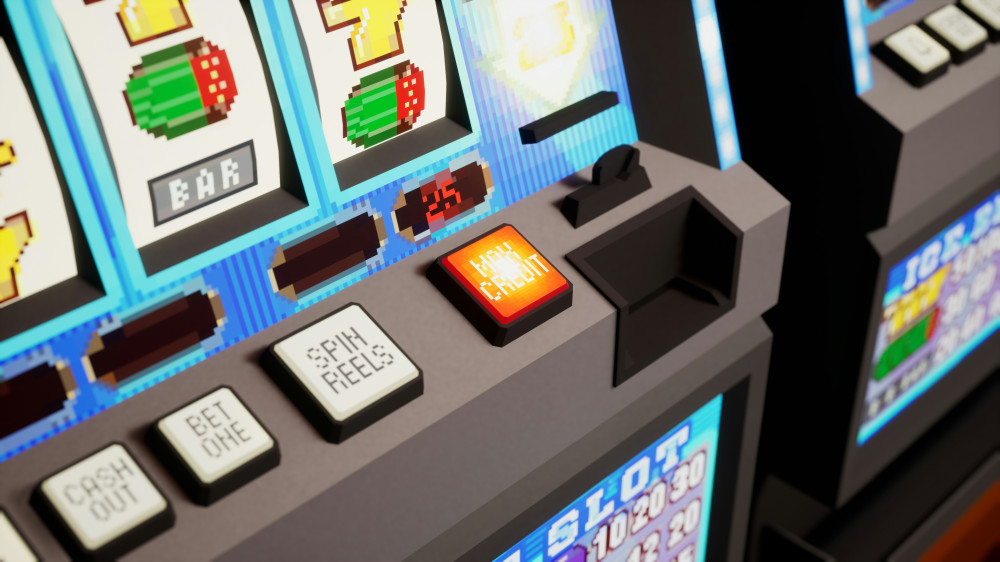
By the 1960s and 1970s, mechanical machines gave way to electro-mechanical and later fully electronic versions. This shift allowed for more symbols, bonus features, and larger payouts. The introduction of microchips in the 1980s paved the way for the first video slots—ushering in an era where design, storytelling, and player engagement became central to the experience.
Design as Storytelling
Early slot machines were simple and uniform, but the 1990s and 2000s saw an explosion of creativity. Slots began to tell stories, drawing inspiration from Hollywood movies, mythology, and pop culture. Graphics became more detailed, sound effects more cinematic, and animations more immersive—turning each game into a miniature world of its own.
Design is not just about looks; it’s also about psychology. Colors, symbols, and sounds are carefully chosen to evoke excitement and anticipation. The familiar “ding” that accompanies a win, for instance, is engineered to trigger a small dopamine release—a mechanism that has fascinated researchers and sparked debates about the fine line between entertainment and addiction.
Læs også:

The Digital Revolution
The rise of the internet in the 2000s transformed the slot machine industry. Games moved online, making them accessible to millions of players from their computers and, later, smartphones. Today, players can choose from thousands of online slots—from classic fruit machines to complex 3D adventures with interactive features.
Digitalization also made it possible to tailor games to different audiences and cultures. In the U.S., themes often draw on Hollywood, Americana, or Las Vegas glamour, while other markets might favor mythology, history, or local folklore. The slot machine has become a global cultural product—one that both reflects and shapes our shared visual imagination.
Cultural Trends and Nostalgia
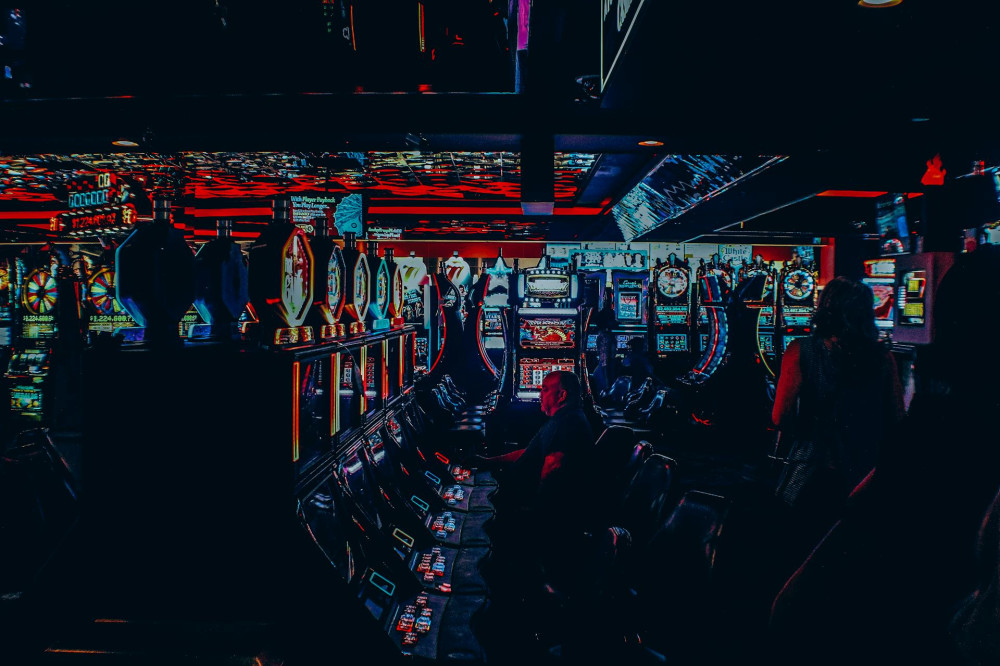
Slot machines have always mirrored the trends of their time. The neon glitz of the 1980s, the fantasy themes of the 1990s, and the cinematic storytelling of the 2000s all found their way into game design. Today, a wave of retro-inspired slots pays homage to the mechanical classics of the past, reflecting a broader cultural nostalgia for analog aesthetics in a digital age.
At the same time, modern slots embody a shift toward interactivity and experience. Many games now borrow elements from video games, movies, and social media. It’s no longer just about winning money—it’s about being entertained, immersed, and emotionally engaged.
The Next Technological Leap
The evolution of slot machines is far from over. Virtual reality (VR) and augmented reality (AR) are beginning to enter the casino world, promising even more immersive experiences. Artificial intelligence is being used to personalize gameplay, adapting themes and difficulty to individual preferences. The slot machine of the future may be a social, interactive environment where players meet and play together in virtual spaces.
At the same time, awareness of responsible gaming is growing. Many operators now include tools that help players set limits and maintain control. This shows that technology is not only used to enhance excitement but also to promote healthier gaming habits.
A Reflection of Our Time
From the clattering reels of the Liberty Bell to the digital universes of today, slot machines have evolved alongside society itself. They tell a story of technological innovation, cultural change, and humanity’s enduring fascination with chance, risk, and reward. Each era leaves its mark—and in the flashing lights and spinning reels, we can see a reflection of our past, our present, and perhaps even our future.
Læs også: