Data and Sensors: How Track Conditions in Horse Racing Are Measured with Precision


Data and Sensors: How Track Conditions in Horse Racing Are Measured with Precision
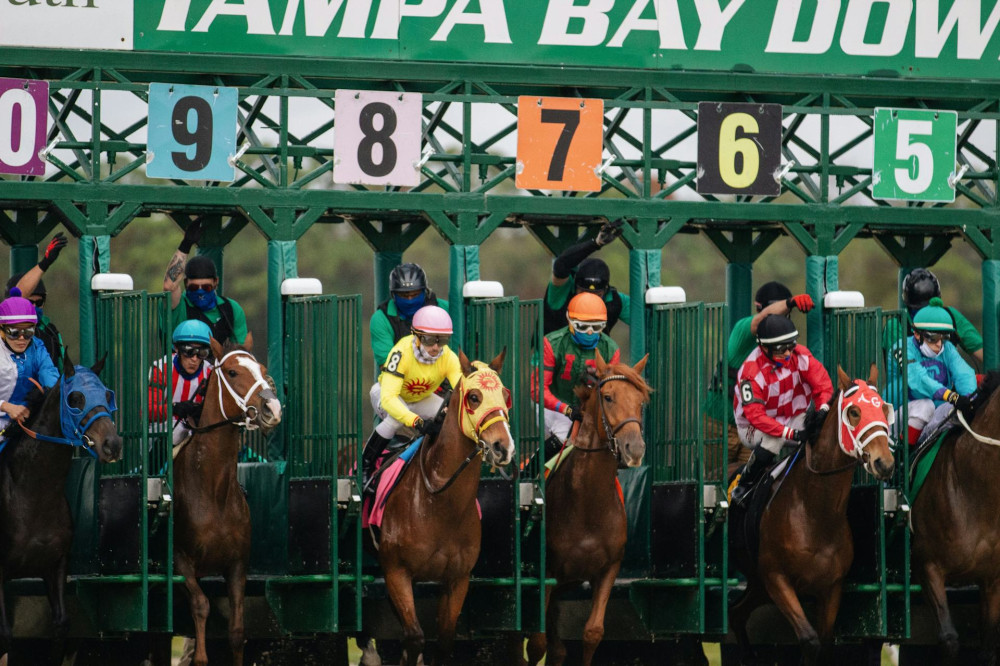
When horses line up at the starting gate, it’s not just training, jockey skill, or race strategy that determine the outcome. The condition of the track plays a crucial role in speed, safety, and fairness. Today, assessing track conditions is no longer based solely on experience and intuition—modern technology, with sensors, data analytics, and satellite measurements, allows for unprecedented precision in understanding the racing surface.
Why Track Conditions Matter
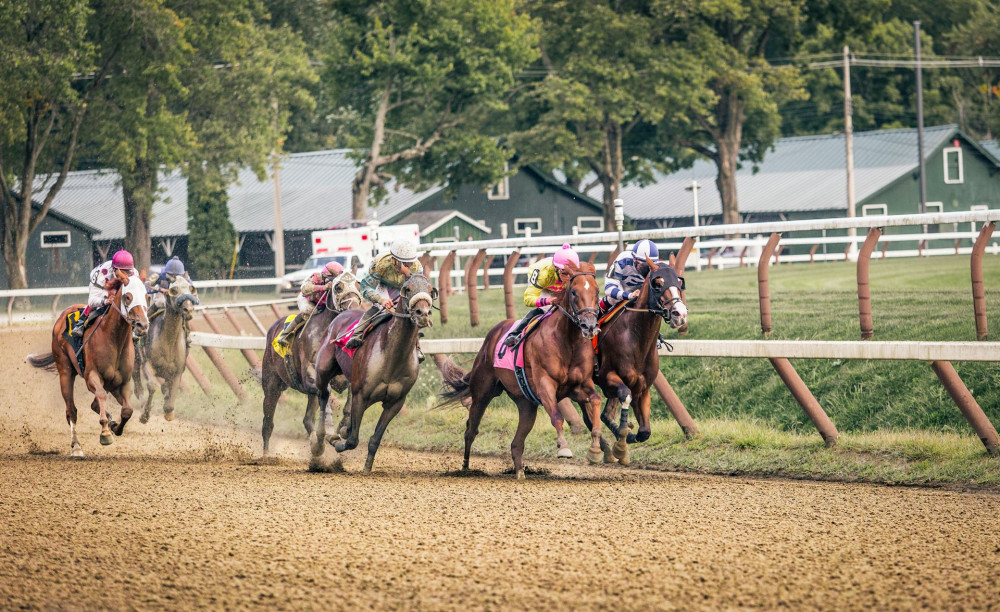
A race can change dramatically depending on whether the track is dry, muddy, firm, or fast. A horse that excels on a firm surface may struggle on a wet one, while another might gain an advantage. Accurate measurements of track conditions are therefore essential not only for trainers and jockeys but also for race officials and bettors who analyze performance data.
In the past, track conditions were judged manually—often by a superintendent walking the course, feeling the surface, and estimating moisture levels. Today, it’s a combination of expertise and technology that provides a more objective picture.
Sensors Beneath the Surface
Many modern racetracks in the United States are equipped with embedded sensors that continuously measure moisture, temperature, and compaction in the track surface. These sensors are placed at various depths and sections of the track, allowing operators to monitor how conditions differ between turns, straights, and the homestretch.
The data is transmitted wirelessly to a central system and analyzed in real time. If one section of the track becomes too wet or too firm, maintenance crews can respond immediately—by watering, aerating, or adjusting drainage. This not only enhances safety for horses and riders but also ensures more consistent racing conditions.
Satellite Data and Weather Modeling
Beyond on-site sensors, racetracks increasingly rely on satellite imagery and advanced weather models to predict how track conditions will evolve. By combining local sensor data with meteorological information, track managers can estimate how much rainfall the surface can absorb and how quickly it will dry.
Some facilities even use thermal cameras and drones to monitor surface temperature and moisture distribution. These tools create detailed maps of the track, helping maintenance teams plan their work and optimize race-day conditions.
Data for Trainers, Jockeys, and Bettors
The collected data isn’t just for internal use. Many U.S. racetracks now publish detailed track condition reports before each race day. Trainers can use this information to select the right horseshoes and adjust training strategies, while bettors gain a more accurate basis for their analysis.
For example, a report might show that the track is slightly firmer on the backstretch than in the turns, or that surface moisture increased by 8% after a morning shower. Such insights can influence how a race unfolds and how participants prepare.
From Experience to Evidence
While technology plays an ever-growing role, human expertise remains indispensable. Track superintendents and trainers use data as a supplement to their own observations. The combination of measurement and experience provides the most accurate understanding of how the surface truly feels under a horse’s hooves.
The goal isn’t to replace intuition but to support it with evidence. This approach makes the sport more transparent, fair, and safer for everyone involved.
Læs også:
The Intelligent Racetrack of the Future
The evolution of racetrack technology is far from over. In the coming years, artificial intelligence is expected to predict how surfaces will respond to weather and wear. Some research projects are even testing sensors in horses’ equipment to measure stride length, pressure, and traction in relation to the track.
All of this points toward a future where data and sensors are as integral to horse racing as starting gates and photo finishes. Technology is helping create safer, fairer, and more exciting races—for the benefit of horses, riders, and fans alike.
Læs også: