Pace and Positioning – The Key to Understanding Horse Racing Outcomes

Pace and Positioning – The Key to Understanding Horse Racing Outcomes
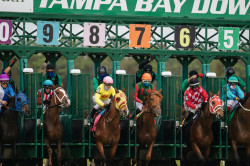
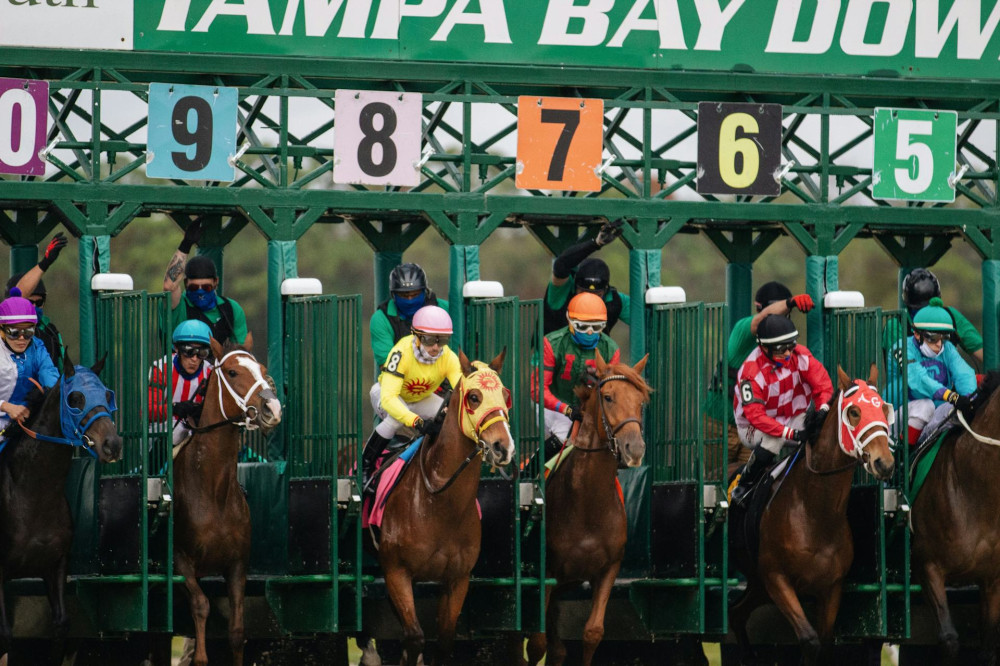
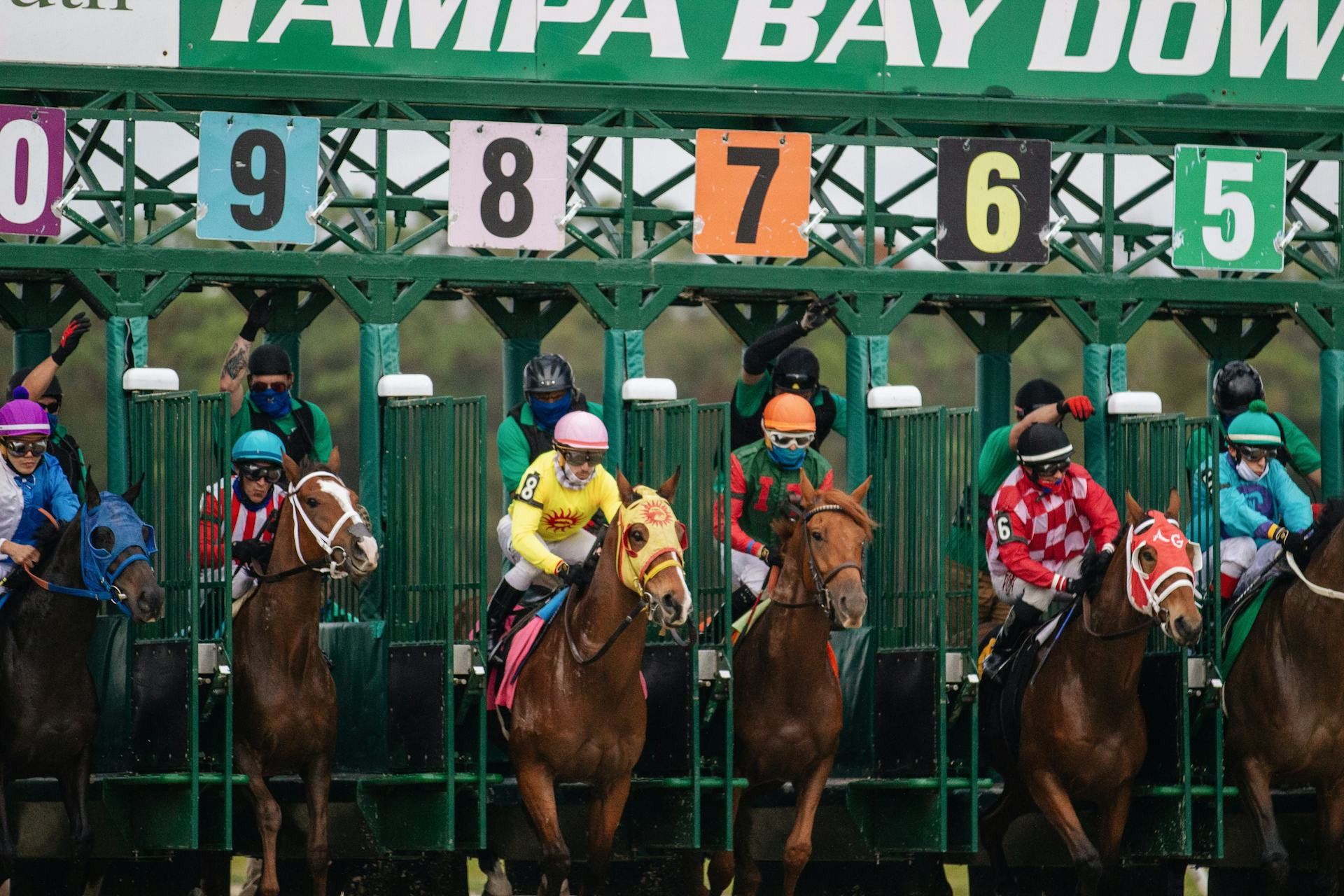
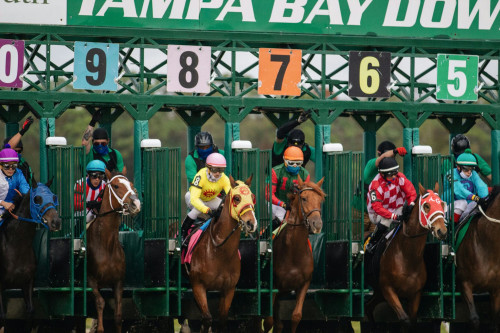
When the gates spring open and the horses surge forward, a complex dance of speed, strategy, and split-second decisions begins. To the casual fan, a horse race might look like a simple contest of who runs fastest, but for jockeys, trainers, and seasoned bettors, it’s a far more intricate game. Two of the most decisive factors shaping any race are pace and positioning—and understanding them is essential to predicting who will cross the finish line first.
Pace – The Rhythm That Shapes the Race
Pace in horse racing isn’t just about how fast the horses run; it’s about how that speed is distributed throughout the race. A horse that goes too fast early may burn out before the stretch, while one that starts too slow might never catch up.
Jockeys and trainers talk about “controlling the pace”—finding that rhythm where a horse runs efficiently without wasting energy. In longer races, such as a mile and a quarter, maintaining an even pace is crucial, while shorter sprints often demand explosive speed right out of the gate.
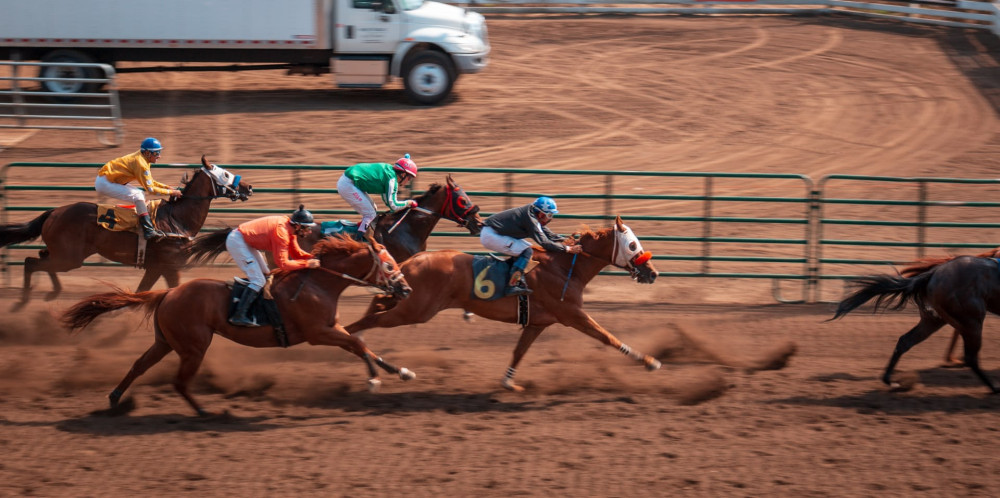
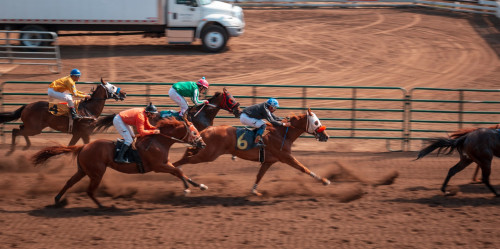
A common scenario is when a longshot grabs the early lead and forces the field to run faster than planned. This can create an “overpaced” race, setting things up for strong closers to take advantage late. Reading the pace—whether you’re in the saddle or watching from the stands—is an art form in itself.
Positioning – The Battle for Space
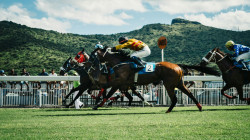
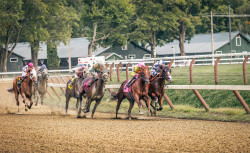
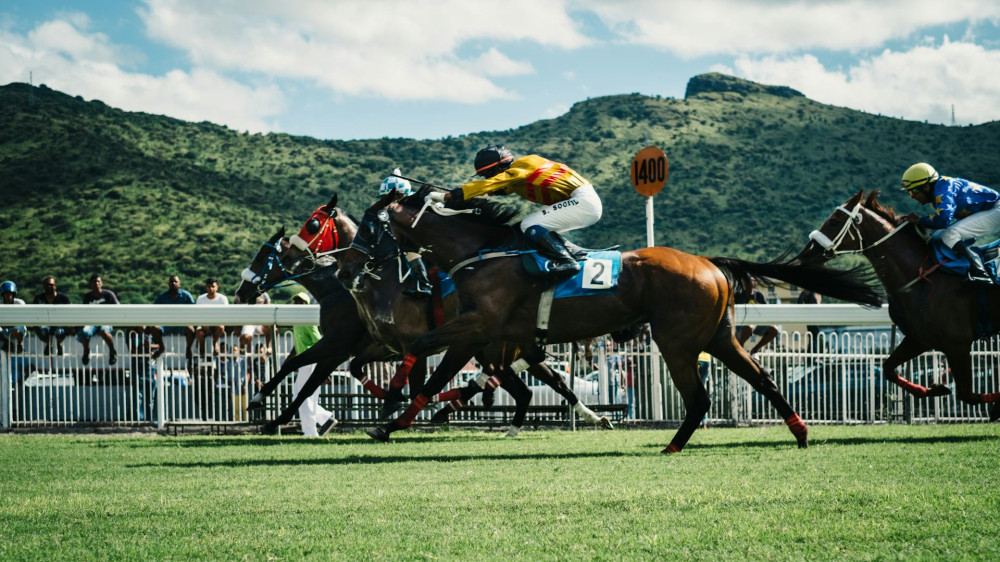
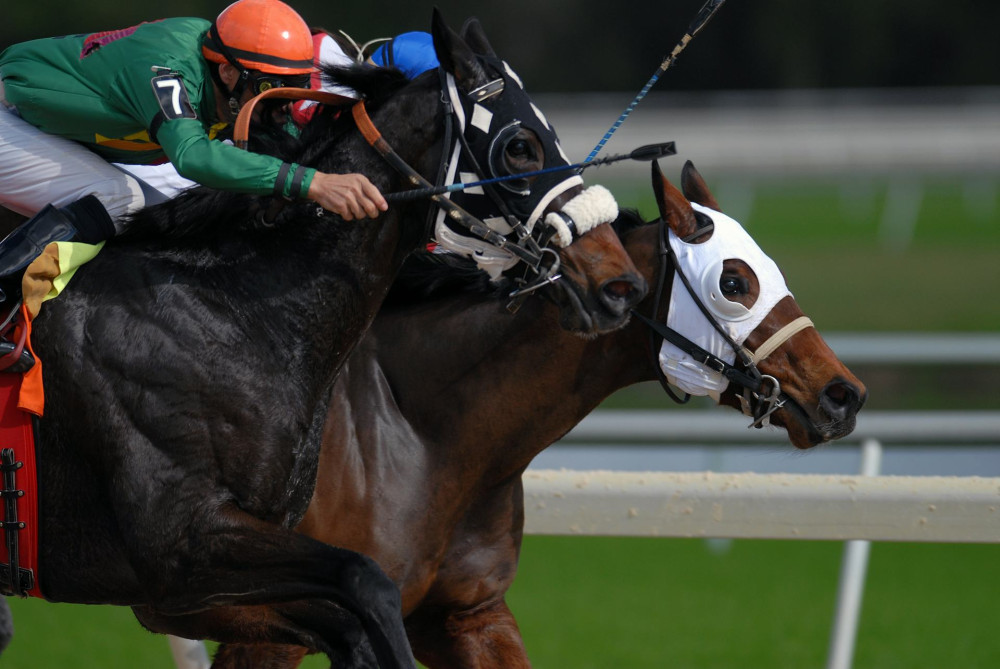
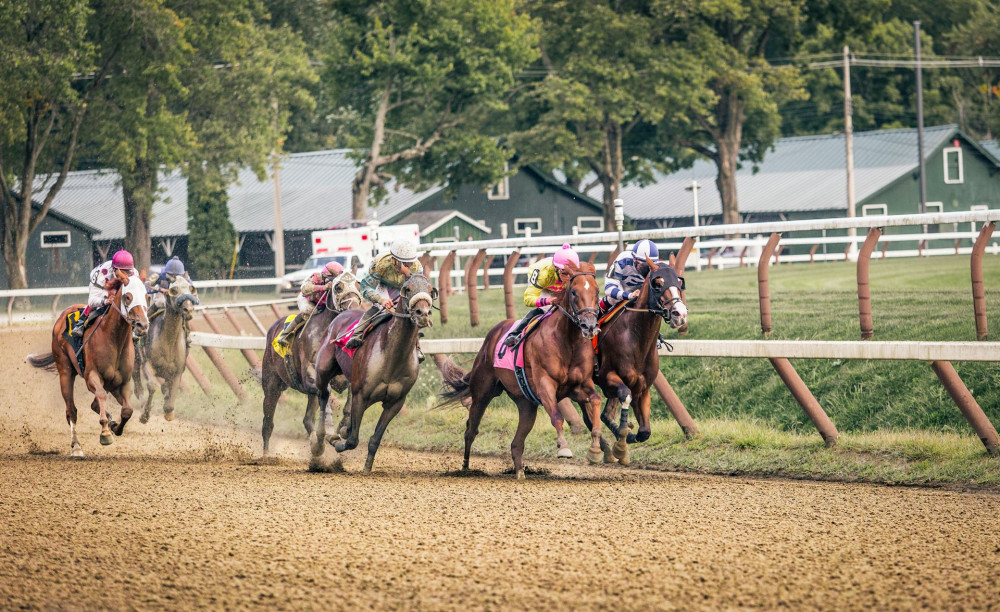
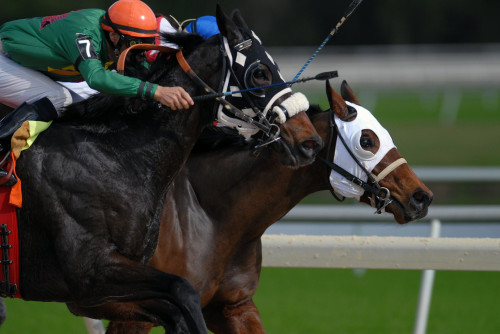
While pace sets the rhythm, positioning determines how effectively a horse can use its energy. In a crowded field, every stride and every lane matters. Horses constantly jostle for space, especially around turns and in the final stretch.
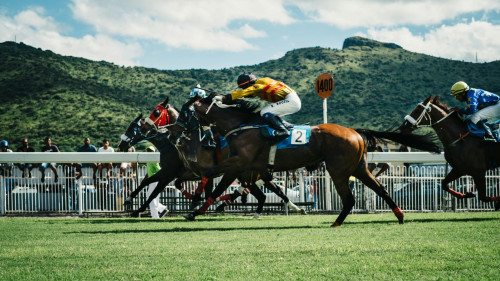
A horse stuck behind traffic risks losing momentum, while one running wide covers extra ground. The ideal position depends on the horse’s running style and the track’s layout. Some horses thrive on the lead, free from kickback and congestion, while others prefer to settle mid-pack and make one strong run late.
Experienced jockeys are masters of positioning. They know when to hug the rail to save ground and when to swing out for a clear run. A single decision—made in a fraction of a second—can mean the difference between victory and defeat.
The Interplay Between Pace and Position
Pace and position are inseparable. A fast early pace can make it hard to hold a good position, while a slow pace can turn the race into a tactical chess match. The best jockeys are those who can balance both—knowing when to press and when to wait.
Many favorites lose not because they lack ability, but because the pace was misjudged or they were trapped in a poor position. This delicate balance is what makes horse racing so unpredictable—and so captivating to analyze.
Track Conditions and Race Type Matter
Track conditions play a major role in how pace and positioning unfold. A muddy track after rain demands stamina and favors horses that can handle deeper footing, while a fast, dry surface benefits those with early speed. The race distance also changes the dynamics: in sprints, early position is critical, while in longer races, there’s more time for strategy to unfold.
That’s why handicappers always consider the combination of track, distance, and running style when evaluating a horse’s chances. A front-runner drawn wide on a sloppy track may struggle, while a closer might find the setup perfect.
Læs også:
Understanding as the Key to Better Insight
For anyone who follows horse racing—whether as a fan, bettor, or curious observer—grasping the concepts of pace and positioning opens a new dimension of appreciation. It’s not just about knowing which horses are in form, but about being able to read the race as it happens.
Once you start recognizing the patterns—how the pace develops, how jockeys maneuver for space, and how the stretch run reflects earlier decisions—racing becomes less about luck and more about insight.
A Sport of Strategy and Instinct
At its heart, horse racing is a sport where strategy meets instinct. The jockey’s judgment, the horse’s temperament, and the race’s unfolding rhythm all merge into a moment of high drama. To understand pace and positioning is to understand the very essence of the sport—and perhaps even to anticipate the unpredictable.
Læs også: