The Unique Nature of the Playoffs: Adjust Your Hockey Betting Strategy


The Unique Nature of the Playoffs: Adjust Your Hockey Betting Strategy
When the regular season ends and the Stanley Cup Playoffs begin, everything changes in hockey. The pace quickens, the hits get harder, and every mistake feels magnified. For players and coaches, it’s a new reality — and the same goes for bettors. The postseason demands a different mindset, where experience, resilience, and goaltending often outweigh regular-season stats.
Here’s how to understand the unique nature of playoff hockey — and how to adjust your betting strategy accordingly.
Playoff Hockey Is Practically a Different Game
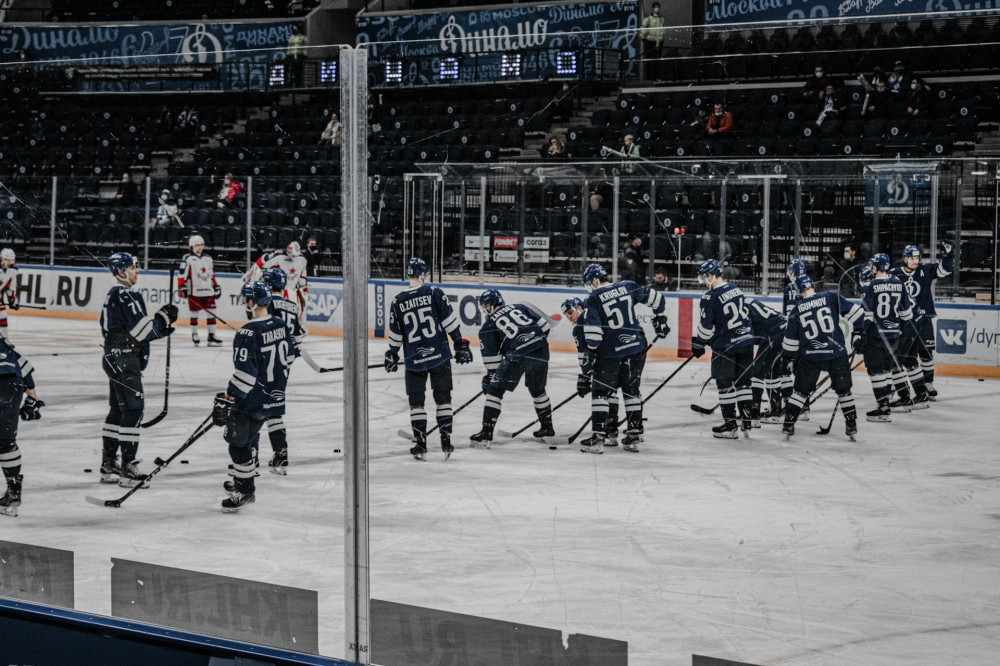
The rules don’t change, but the style of play does. Players block more shots, finish every check, and sacrifice their bodies in ways rarely seen in January. Coaches shorten their benches, and star players log heavy minutes. Games tighten up, and goals become harder to come by.
For bettors, that means unders become more appealing. Historically, NHL playoff games average fewer goals than regular-season contests because teams prioritize defensive structure and risk management. Betting on totals like “under 5.5 goals” often carries more value in the postseason.
Momentum and Mental Toughness Matter More Than Form
During the regular season, you can often rely on trends and analytics to gauge a team’s strength. But in the playoffs, momentum and mental toughness can flip a series. A team that barely squeaked into the postseason might ride a wave of confidence and upset a top seed that’s been idle for a week.
So don’t just look at recent records or seeding. Instead, focus on how teams are winning or losing. Are they coming from behind in third periods? Is their goalie standing on his head? Are key players returning from injury? The playoffs are as much about handling pressure as they are about numbers.
Goaltending Becomes the Deciding Factor
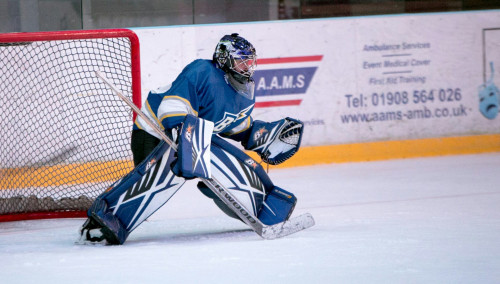
A hot goalie can carry an average team deep into the playoffs, while a shaky one can sink a contender. That’s why tracking goaltending matchups is crucial.
When evaluating a bet, consider:
- Who’s starting in net, and how has he performed lately?
- Does he have playoff experience?
- How does he match up against the opponent’s offensive style?
In the postseason, it’s wise to weigh goaltender form more heavily than usual — especially in series with tight schedules, where fatigue can quickly become a factor.
Think in Terms of Series, Not Just Games
The best-of-seven format changes everything. Losing Game 1 doesn’t doom a team — in fact, it can create betting value in Game 2, when desperation and tactical adjustments often lead to a stronger performance.
Approach your bets with a series mindset. Consider how home-ice advantage shifts, how coaches adapt, and which teams tend to grow stronger as a series progresses. Some squads are built for long battles, and that can open up opportunities in live or series markets.
Injuries and Fatigue: The Hidden Variables
In the playoffs, nearly everyone plays through something. Teams rarely disclose injuries, so bettors need to read between the lines. Watch for changes in line combinations, ice time, or power-play units — they can hint at a player nursing an issue.
Also, consider the toll of previous rounds. A team that just survived a grueling seven-game series might be more worn down than an opponent that advanced quickly. That fatigue can affect pace, scoring, and even discipline.
Emotional and Tactical Adjustments
The playoffs are emotional — rivalries intensify, crowds get louder, and referees often let more physical play go. That can shift the balance of special teams. Some series see more penalties and power plays, while others turn into five-on-five grinds.
When analyzing a matchup, look at:
- Each team’s power-play and penalty-kill efficiency.
- Their discipline and physical style.
- How referees have called the series so far.
These small details can make the difference between a winning and losing bet.
Patience and Discipline Pay Off
The Stanley Cup Playoffs stretch over two months, and it’s tempting to bet every night. But the best results often come from selective betting — waiting for the market to overreact to a single blowout or emotional finish.
A 5–1 loss doesn’t always mean a team is inferior; sometimes it’s just a bad bounce or a cold goalie. Like the players themselves, successful bettors stay patient, disciplined, and focused on the bigger picture.
Læs også:



Conclusion: Bet with Context, Not Just Numbers
Betting on playoff hockey requires more than statistical analysis. It demands an understanding of psychology, pressure, and how small tactical shifts can swing a series.
If you adjust your approach to account for the postseason’s unique nature — emphasizing defense, goaltending, momentum, and series dynamics — you’ll be better positioned to find value. The playoffs are unpredictable, but that’s exactly what makes them the most exciting — and potentially most rewarding — time of the hockey year.
Læs også: