Overtime and Shootouts: Understanding Your Betting Options in the NHL

Overtime and Shootouts: Understanding Your Betting Options in the NHL
When you bet on NHL games, it’s essential to understand how the league’s game format affects your wagers. In the world’s top hockey league, games can’t end in a tie — which means overtime and shootouts can have a major impact on whether your bet wins or loses. Here’s a breakdown of how these rules work and what you should know before placing your next NHL bet.
How Overtime and Shootouts Work in the NHL
A standard NHL game consists of three 20-minute periods. If the score is tied after regulation, the game goes into overtime. During the regular season, overtime is a five-minute sudden-death period — the first team to score wins. Each side plays with only three skaters (plus a goalie), creating more open ice and scoring chances.
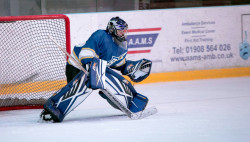
If no one scores in overtime, the game moves to a shootout, where three players from each team take turns shooting one-on-one against the opposing goalie. If the score remains tied after those three rounds, the shootout continues one player at a time until a winner is decided.
In the Stanley Cup Playoffs, the format changes. Overtime periods are 20 minutes long, played 5-on-5, and continue until someone scores — no shootouts. This can lead to some of the most dramatic and marathon games in sports.
Læs også:
3-Way vs. 2-Way Betting – What’s the Difference?
When betting on NHL games, you’ll often see two main types of markets:
-
3-Way (Regulation Time) – You’re betting on who wins after the first 60 minutes. You can choose the home team, the away team, or a draw. If the game goes to overtime, and you picked a team to win in regulation, your bet loses — even if that team wins later in overtime or a shootout.
-
2-Way (Including Overtime and Shootout) – This market includes the full game result, no matter how the win happens. You’re simply betting on which team wins overall. In U.S. sportsbooks, this is usually called the Moneyline.
Knowing the difference between these two markets is crucial. Many bettors assume a “win” bet always includes overtime, but that depends entirely on which market you choose.
Other Betting Markets Affected by Overtime
Overtime and shootouts can also influence other types of bets:
- Over/Under (Total Goals) – Check whether your total goals bet includes overtime. In most sportsbooks, goals scored in overtime count, but shootout goals do not.
- Puck Line (Handicap Betting) – These bets usually apply only to regulation time unless otherwise stated.
- Live Betting – When a game goes to overtime, new live markets often open, such as “Next Goal Scorer” or “Winner in Shootout.” If you know how teams perform in 3-on-3 play or in shootouts, you can use that to your advantage.
Strategic Considerations for NHL Betting
Understanding the game format gives you an edge, but strategy matters too. Here are a few factors to consider:
- Team Style in Overtime – Some teams play aggressively in 3-on-3, while others prefer to control the puck and wait for mistakes. Overtime win statistics can reveal valuable trends.
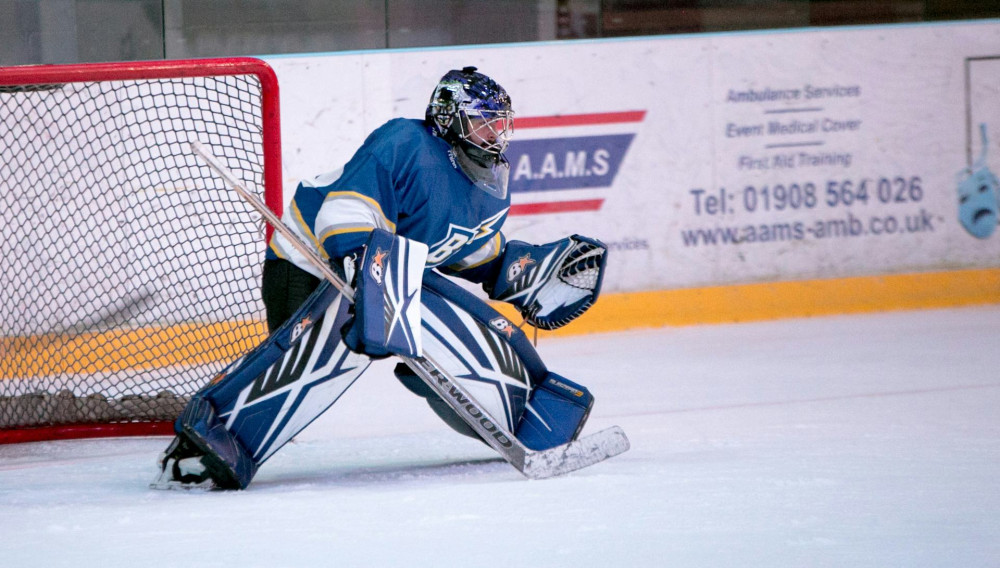
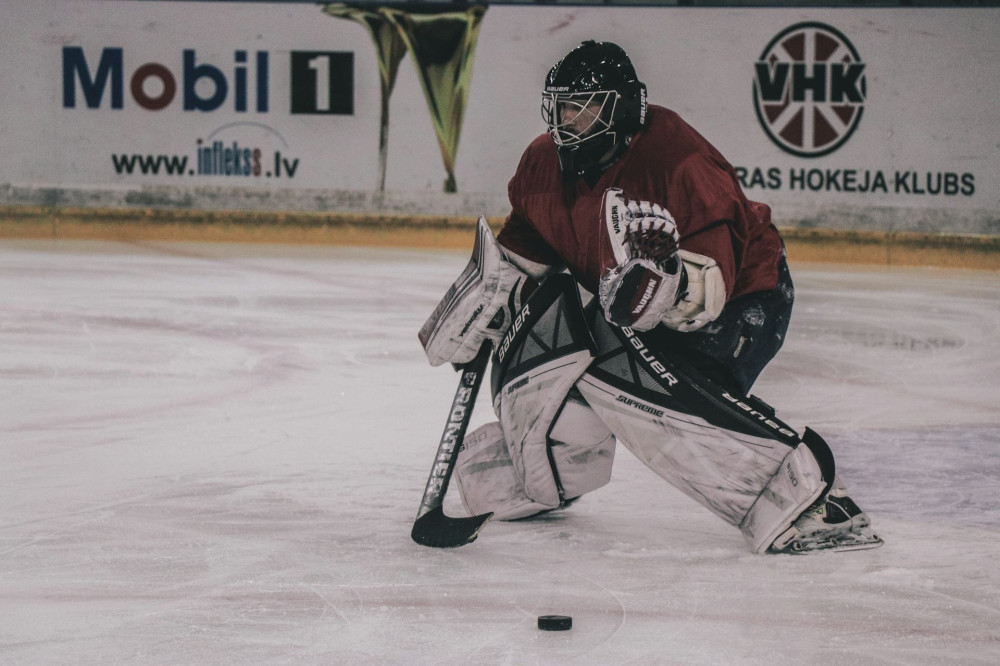
- Goalie Shootout Performance – Some goaltenders excel in shootouts, while others struggle. This can be key information for live betting.
- Motivation and Standings – Late in the season, a team chasing a playoff spot might take more risks in overtime, while another team may be content to secure one point.
Combining this knowledge with analysis of form, injuries, and home-ice advantage can help you find value in NHL betting markets.
Know the Rules – and Bet Responsibly
The NHL’s format with overtime and shootouts makes the league both unpredictable and exciting to bet on. But it also means that small details can determine whether your wager wins or loses. Always read the terms of the market you’re betting on and check whether it applies to regulation time only or the full game.
And remember: betting should be fun, not a way to make money. Set limits, play responsibly, and enjoy the thrill of the world’s best hockey league.
Læs også: