Statistics as a Weapon: Create Your Own Edge in the Game with Data Analysis


Statistics as a Weapon: Create Your Own Edge in the Game with Data Analysis
In the world of sports, success rarely comes down to luck alone. Behind many winning strategies lies a deep understanding of numbers, trends, and probabilities. For today’s sports fans—and especially for those interested in betting—statistics have become a powerful weapon. By using data analysis, you can create your own edge in the game and make more informed decisions.
From Gut Feeling to Measurable Insight
Many bettors rely on intuition, favorite teams, or recent results when placing wagers. But data analysis allows you to look beneath the surface. By examining team performance over time, injuries, weather conditions, and home-field advantages, you can identify patterns that aren’t visible to the naked eye.
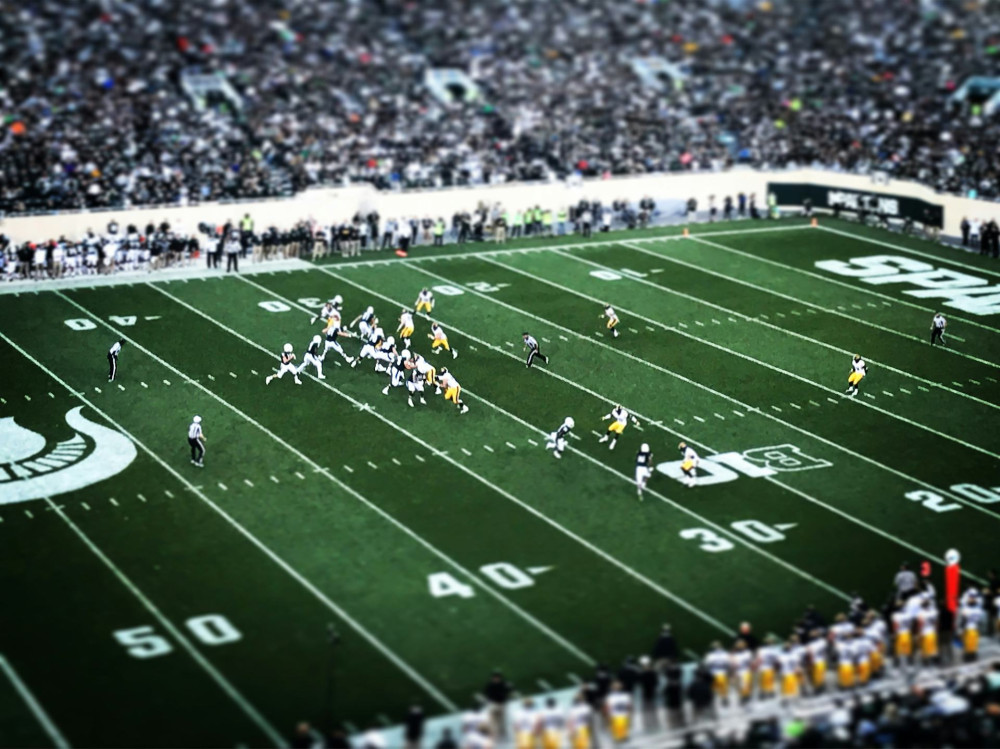
For example, an NFL team might be on a three-game winning streak, but if the stats show they’ve faced weak opponents and benefited from unusually high third-down efficiency, that success might not be sustainable. Data helps you separate genuine strength from temporary momentum.
Know Your Key Metrics
To use statistics effectively, you need to understand which numbers matter most. In American football, several indicators can give you a clearer picture of a team’s true level:
- Yards per play (YPP) – shows how efficiently a team moves the ball.
- Turnover margin – the difference between takeaways and giveaways. A high margin often signals discipline and defensive strength.
- Red zone efficiency – how often a team scores touchdowns once inside the opponent’s 20-yard line.
- Time of possession – reveals whether a team controls the game or is constantly on defense.
By combining these metrics, you can build a more nuanced view of team performance—and spot value where the market might miss it.
Build Your Own Edge
Oddsmakers set lines using massive amounts of data, but they also account for public perception. That means popular teams often get overvalued. This is where you can use statistics as your weapon: by identifying where the market overestimates or underestimates a team, you can find bets with positive expected value.
A practical approach is to create your own power ratings—a numerical assessment of each team’s strength. By comparing your ratings to the sportsbook’s lines, you can pinpoint discrepancies. Over time, this method can give you a systematic advantage.
Use Technology—But Keep Your Judgment
Today, there’s no shortage of tools to help you analyze data: from advanced spreadsheets to specialized platforms that track real-time stats. But technology is only as good as the person using it.
It’s crucial to understand the context behind the numbers. A quarterback with impressive passing stats might have faced weak defenses, while a team with a low scoring rate might simply have been unlucky. Statistics should support your judgment, not replace it.
Læs også:



Learn from Your Own Data
One of the most overlooked sources of insight is your own betting history. By keeping a log of your wagers—with notes on reasoning, odds, and outcomes—you can identify your strengths and weaknesses over time. Maybe you’re strong at evaluating totals but less accurate on point spreads.
Analyzing your own results allows you to refine your strategy and gradually improve your accuracy. It’s the same process professional analysts use: continuous learning driven by data.
Statistics as a Mental Discipline
Working with data requires patience and objectivity. It’s not about finding the “sure thing,” but about understanding probabilities and accepting variance. Statistics help you think like an analyst, not a gambler.
When you learn to trust the numbers instead of your gut, you become better equipped to handle both wins and losses. That’s where data analysis truly becomes a weapon—not just against the sportsbooks, but against your own biases.
From Numbers to Strategy
Sports statistics aren’t about removing the excitement—they’re about understanding it. When you use data to create your own edge, you become a more conscious participant in the game—someone who sees patterns where others see randomness.
In the end, it’s not about predicting the future perfectly, but about making better decisions over time. And that’s exactly what statistics can do: give you a rational foundation in a world often driven by emotion and chance.
Læs også: