Find the Patterns: How to Use Team History for Smarter Betting


Find the Patterns: How to Use Team History for Smarter Betting
When it comes to sports betting, luck plays a role—but knowledge plays a bigger one. Every game hides patterns, trends, and data that can give you an edge if you know how to read them. In American sports like football, basketball, or baseball, where outcomes often hinge on small details, analyzing team history can turn a random guess into an informed prediction. Here’s how to use team performance data to bet smarter.
Know the Team’s Strengths and Weaknesses
Start by understanding how a team typically performs—offensively and defensively. Look at key stats such as:
- Average points scored and allowed per game
- Yards per game—both passing and rushing in football, or shooting percentages in basketball
- Turnovers or errors—how often a team gives up possession or makes costly mistakes
These numbers don’t tell the whole story, but they reveal patterns over time. A football team that consistently allows a lot of yards but still wins might rely on big plays or turnovers—an approach that can be risky in the long run.
The Home Advantage—When It Really Matters
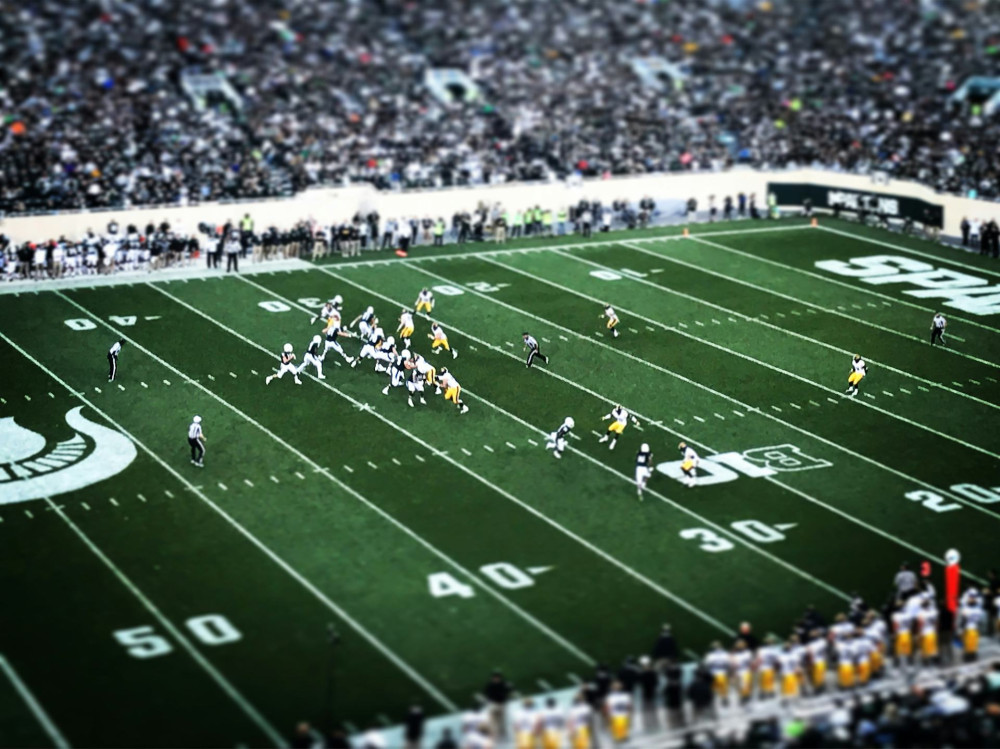
Home-field advantage is real, but it’s not universal. Some teams thrive in front of their fans, while others perform just as well on the road. Check how a team has fared at home versus away over several seasons. In the NFL, for example, weather and field type can make a big difference—teams used to playing in cold, windy conditions may struggle in warm climates or on artificial turf. In basketball or baseball, travel fatigue and crowd energy can also influence performance. The key is to identify when home advantage is a genuine factor and when it’s overvalued by the betting market.
Head-to-Head Matchups Reveal Hidden Trends
Some teams just don’t match up well against certain opponents. A run-heavy football team might struggle against a defense built to stop the run, or a basketball team that relies on perimeter shooting might falter against strong perimeter defenders. That’s why head-to-head history matters. Look at how teams have performed against each other in recent seasons. Even as rosters change, coaching styles and tactical philosophies often persist. If one team consistently struggles against a particular opponent type, that’s a red flag worth noting.
Momentum and Form—Beyond Wins and Losses
A team’s recent record tells part of the story, but not all of it. Look deeper into how they’ve been winning or losing. A team on a three-game winning streak might have beaten weak opponents, while another team with close losses to top contenders could be undervalued. Momentum also depends on injuries, morale, and rhythm. A star player returning from injury can shift a team’s dynamics dramatically—sometimes for better, sometimes for worse.
Coaching and Tactical Tendencies
Coaches shape how teams play and how they respond under pressure. Some are aggressive risk-takers; others prefer conservative strategies. By studying past games, you can spot patterns in decision-making:
- Does the coach often go for it on fourth down?
- Do they favor passing or running in key moments?
- How does the team react when trailing late in the game?
These tendencies can help you predict how a team might perform against the spread or in specific game situations.
Use Data—But Stay Skeptical
Statistics and history are powerful tools, but they’re not crystal balls. No two games are ever identical. Use data to form hypotheses, not certainties. Combine numbers with context—injuries, motivation, weather, and playoff implications all matter. A team that’s already clinched a postseason spot might rest key players, while another fighting for survival will play with extra intensity. Those situational factors can flip expected outcomes.
Læs også:

From Gut Feeling to Game Plan
Using team history isn’t about removing the excitement from betting—it’s about making it smarter. When you learn to recognize patterns, you can separate random noise from meaningful trends. That won’t make you infallible, but it will make your decisions more deliberate. And over time, that’s what separates the lucky bettor from the skilled one.
Læs også: