Race Strategies in Transition – Learning from Their Evolution Over Time

Race Strategies in Transition – Learning from Their Evolution Over Time
Motorsport has always been a delicate balance between speed, technology, and strategy. But while early race strategies were all about driving as fast as possible from start to finish, modern racing has become a game of timing, data, and split-second decision-making. From the first Grand Prix events in the early 1900s to today’s Formula 1, IndyCar, and endurance series, strategy has evolved alongside technology—and with the way teams and drivers think about competition.
From Pure Speed to Tactical Awareness
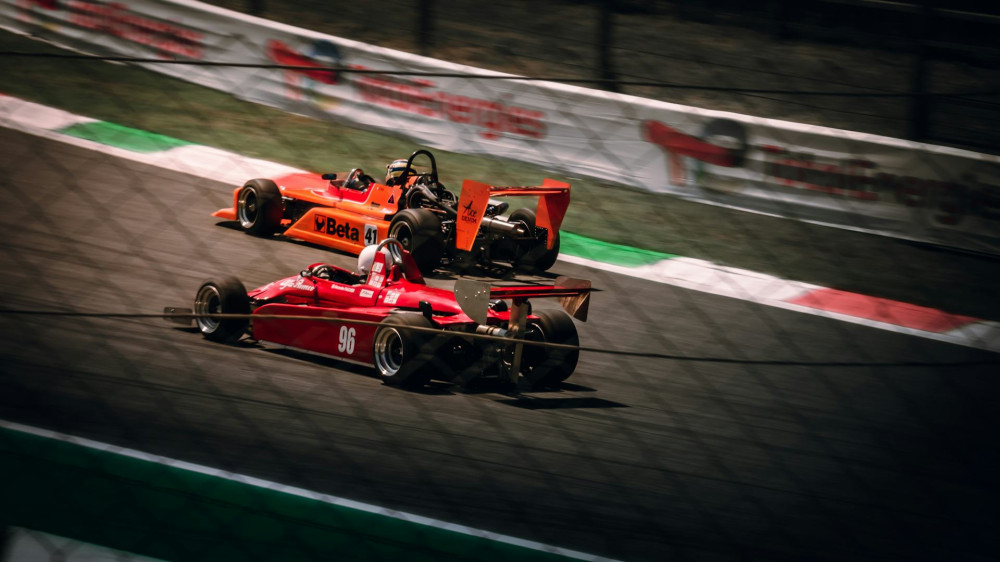
In the early days of racing, strategy was simple: drive fast and hope the car survived. Tires, fuel, and mechanical reliability were unpredictable, and many races were decided by who could simply make it to the finish line. It wasn’t until the 1950s that teams began to think more tactically—when to refuel, how to manage tire wear, and how to balance aggression with preservation.
By the 1970s and 1980s, pit strategy had become a defining element of racing. Teams experimented with fuel loads, tire compounds, and pit timing, while drivers like Niki Lauda and Alain Prost became known for their ability to think strategically behind the wheel. It was no longer enough to be fast—you had to be smart.
The Data Revolution and Digital Decision-Making
The arrival of computer technology in the 1990s changed everything. Suddenly, teams could monitor car performance in real time and simulate different race scenarios. Strategy shifted from intuition to analytics.
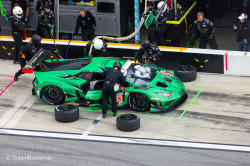
Today, entire departments of engineers and data analysts sit behind screens, calculating optimal pit windows, tire choices, and fuel consumption. In Formula 1, a single strategic call—like switching to harder tires one lap earlier than a rival—can mean the difference between victory and defeat. Meanwhile, regulations on fuel limits, tire compounds, and safety cars have made strategy even more complex.
Endurance Racing: When Patience Wins
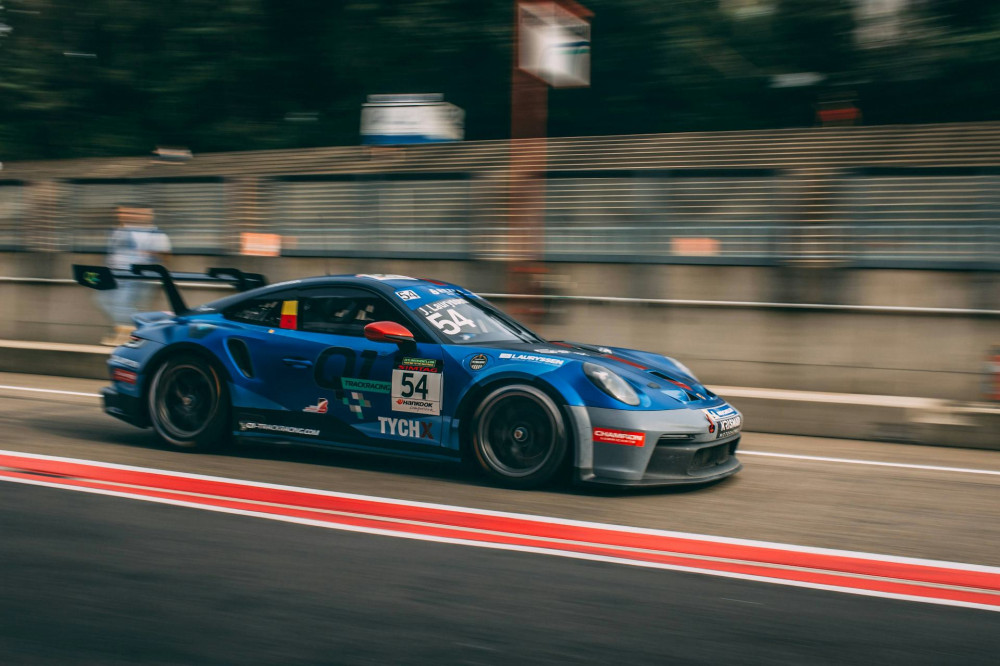
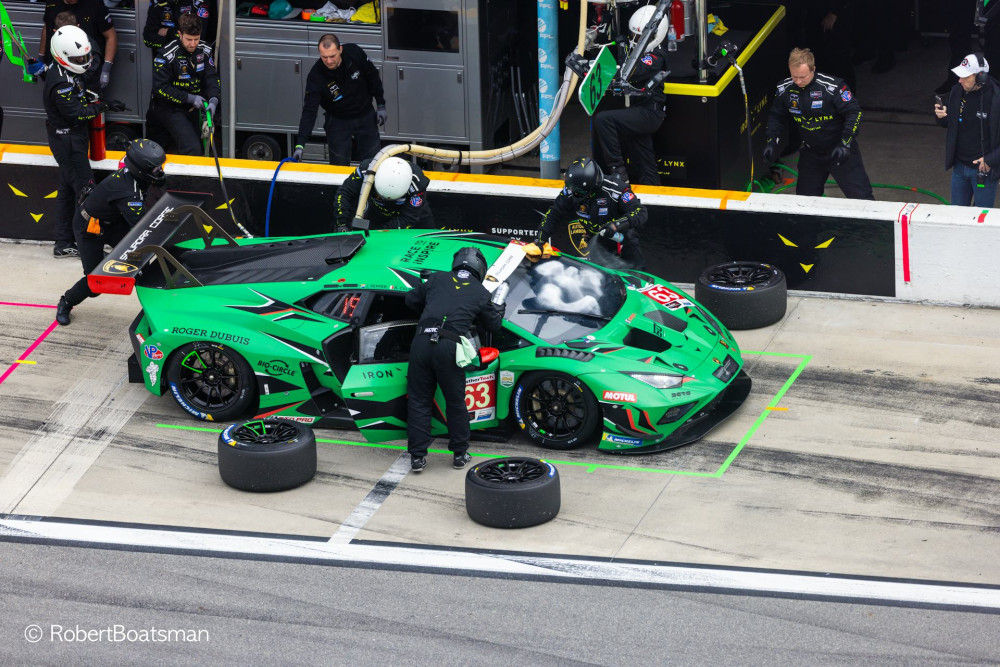
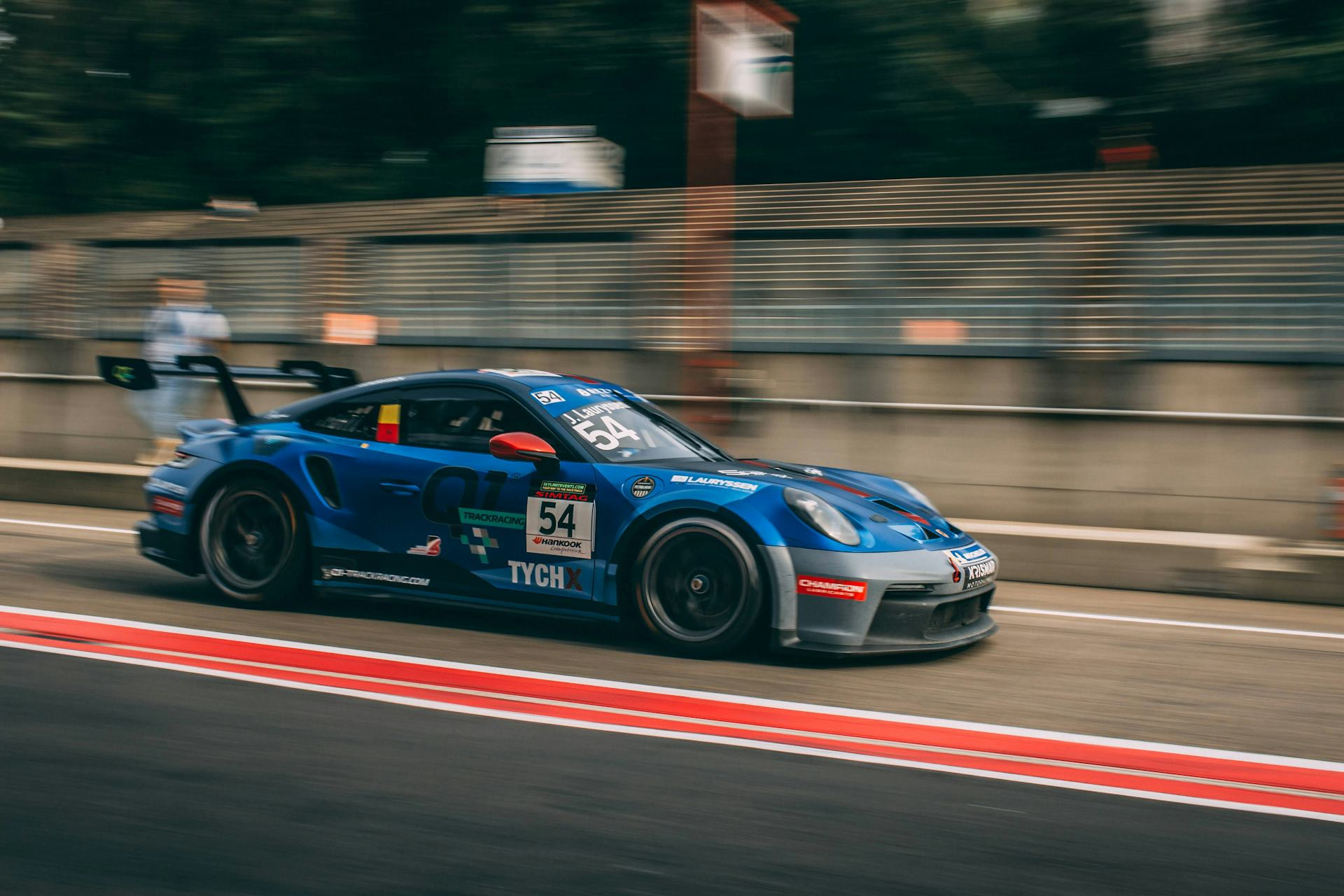
In endurance events like the 24 Hours of Le Mans or the IMSA WeatherTech SportsCar Championship, strategy becomes an art form of its own. It’s not just about speed—it’s about keeping the car intact for hours on end, managing multiple drivers, and planning pit stops to minimize time lost.
Teams build detailed models to predict how weather, night driving, and traffic will affect pace. A well-executed strategy can make up for a slower car, which is why the most experienced teams often find themselves on the podium. Endurance racing rewards foresight, discipline, and adaptability—qualities that define the best strategists in motorsport.
A New Era: Sustainability and Artificial Intelligence
In recent years, motorsport has entered a new phase where sustainability and technology play an increasingly central role. Electric series like Formula E have introduced energy management as a key strategic factor. Here, it’s not just about speed but about using the battery’s capacity efficiently throughout the race.
At the same time, artificial intelligence is beginning to shape the future of race strategy. AI systems can analyze millions of data points and predict how a race might unfold—almost like a high-speed chess match. This means that future race strategies may become a collaboration between human intuition and machine intelligence.
Læs også:
What We Can Learn from This Evolution
The evolution of race strategies shows how innovation and analysis can transform even the most traditional sports. It’s no longer just about reacting—it’s about anticipating. For teams, drivers, and even fans who follow the sport closely, understanding strategy has become part of the excitement.
For those who look deeper into motorsport, it also offers insight into how decision-making under pressure can be optimized. Whether it’s about winning a race or understanding the dynamics behind performance and competition, strategy remains the key to seeing the bigger picture.
Læs også: