High-Speed Sensors: How Technology Shapes Modern Motorsports Betting

High-Speed Sensors: How Technology Shapes Modern Motorsports Betting
When Formula 1 cars, rally machines, and superbikes roar past at over 200 miles per hour, it’s not just the drivers’ reflexes or the mechanics’ precision that determine the outcome. Behind the scenes, a network of sensors, data analytics, and algorithms is transforming not only how teams race—but also how fans and bettors predict results. Today, motorsports are as much about data and technology as they are about speed and courage.
From Wrenches to Wireless Data
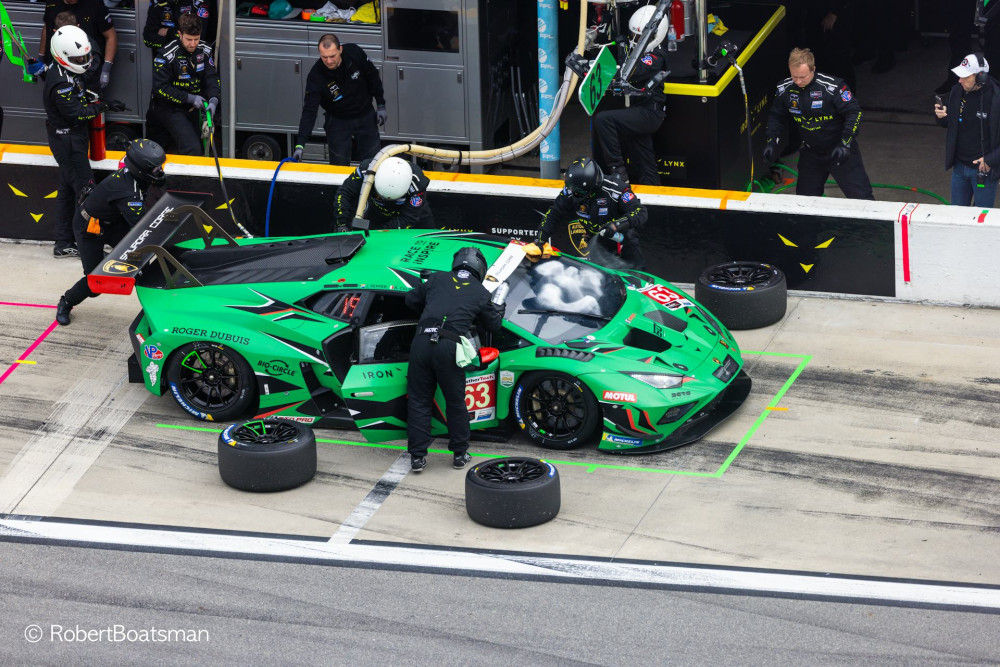
In the early days of racing, decisions were guided by a mechanic’s intuition and a driver’s feel for the car. Now, every vehicle is equipped with hundreds of sensors measuring tire pressure, fuel consumption, engine temperature, and aerodynamic load. These readings are transmitted in real time to engineers in the pit, who analyze them to fine-tune performance and strategy.
For bettors, this flood of data means more precise indicators of how a race might unfold. A sudden spike in brake temperature or a drop in tire grip can signal that a driver is about to lose pace—information that can shift betting odds in seconds.
Data as the New Fuel
Sensor data isn’t just for the teams. Many betting platforms and analytics firms collect and process the same information to build predictive models. Using machine learning and statistical algorithms, they can identify patterns invisible to the human eye.
For example, an algorithm might calculate a driver’s winning probability based on past performance under similar weather conditions, track types, and tire choices. This makes motorsports betting more sophisticated—and more dependent on technological insight—than ever before.
Live Betting and Real-Time Analysis
One of the biggest changes sensor technology has brought is the rise of live betting. In the past, wagers were locked in before the race began. Now, fans can place bets mid-race, as cars speed around the track. This is possible because telemetry and sensor data are updated second by second.
If a car loses top speed on a straightaway or a team calls an unexpected pit stop, odds can shift instantly. For experienced bettors, success depends not only on knowing the drivers but also on reading the data—and reacting faster than the market.
Læs også:


Ethical and Practical Challenges
While technology opens new opportunities, it also raises questions. Where is the line between publicly available data and a team’s confidential information? And how can regulators ensure that all bettors have equal access to the data that influences odds?
There’s also a cultural challenge. As algorithms and sensors take over more of the decision-making, casual fans may find it harder to keep up. When both race strategy and betting rely heavily on automation, motorsports risk losing some of the unpredictability that once made them so thrilling.
The Future: Artificial Intelligence and Predictive Betting
The evolution is far from over. Several platforms are already experimenting with artificial intelligence capable of forecasting race outcomes with remarkable accuracy. By combining sensor data, weather forecasts, and historical results, AI models can offer real-time recommendations on when to place a bet.
At the same time, some racing teams are using similar technologies to simulate races in real time—blurring the line between sport, data science, and betting even further.
The Double-Edged Role of Technology
Sensors and data have made motorsports more precise, efficient, and predictable. For the betting world, that means new opportunities for insight and strategy—but also a need to understand the technology behind the numbers.
Ultimately, it’s the balance between human instinct and machine intelligence that keeps modern motorsports exciting—both on the track and in the betting markets. Because even with all the sensors and algorithms in the world, a single split-second mistake can still change everything.
Læs også: