Cycling and Betting: A Fascinating Combination of Strategy and Insight

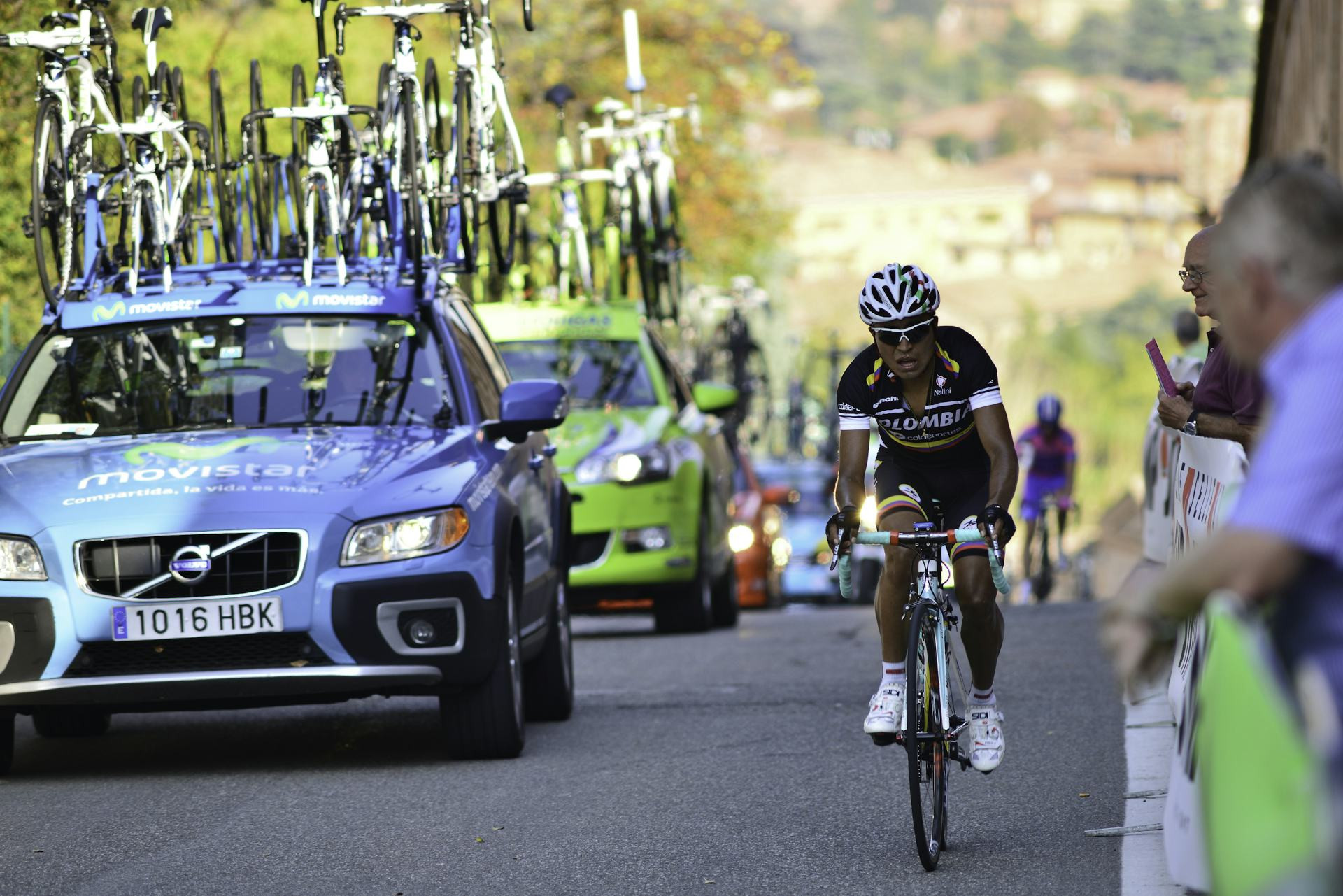
Cycling and Betting: A Fascinating Combination of Strategy and Insight
At first glance, cycling and betting might seem like two completely different worlds — one focused on physical endurance, teamwork, and tactics on the road, the other centered on analysis, probabilities, and strategic decision-making. Yet, when you look closer, the two share surprising similarities. Both demand insight, patience, and the ability to read a complex game where countless factors interact. In this article, we explore how cycling and betting intersect in a captivating blend of strategy and knowledge.
Cycling as a Tactical Game
Professional cycling is far more than raw power. It’s a game of positioning, timing, and collaboration. Stage races like the Tour de France or the Vuelta a España are often decided by small tactical choices: when to attack, whom to work with, and how to manage energy over multiple days.
For those who follow the sport closely, it becomes clear that cycling is about understanding the dynamics of the peloton. Wind, terrain, team roles, and daily form all play a part. This complexity is what makes cycling so fascinating — and what makes it such a challenging yet rewarding sport to analyze from a betting perspective.
Betting as an Analytical Discipline
At its core, betting isn’t about luck; it’s about assessing probabilities more accurately than the market. It requires gathering and interpreting information — much like a cycling team does when planning a stage. For the serious bettor, it’s not enough to know who the favorites are; one must understand why the odds look the way they do and where hidden value might lie.
In cycling, that means tracking riders’ form, studying route profiles, and understanding team strategies. A rider who has spent too much energy in the mountains may struggle in a sprint, while a strong domestique might suddenly get a chance to lead if the team’s captain crashes or falls ill. These subtle details can make the difference between a winning and losing bet.
Data, Intuition, and Timing
In both cycling and betting, data plays a crucial role in decision-making. Modern cycling teams rely on advanced metrics — power output, heart rate, recovery data — to fine-tune performance. Similarly, many bettors use statistical models and historical data to identify patterns and trends.
But data alone isn’t enough. Intuition and experience matter too. A seasoned cycling fan can sense when a breakaway has the right composition to succeed or when the peloton is likely to reel it back in. That same intuition can be applied to betting — as a complement to the hard numbers.
Læs også:

A Responsible and Ethical Approach
While betting can add excitement to following a race, it’s important to approach it responsibly. Betting should be seen as entertainment, not as a source of income. The goal is to use your knowledge and passion for cycling to enhance the experience — not to take unnecessary risks.
Always set limits on how much you wager, and keep the focus on the enjoyment of the sport. For many fans, it’s the combination of passion and analysis that makes cycling and betting such a meaningful hobby.
When Insight Becomes Part of the Experience
Watching a race with an analytical eye can deepen your appreciation of cycling. You start to recognize patterns, anticipate moves in the peloton, and value the small tactical decisions that often decide a stage. Betting, in that sense, can serve as an extra dimension — a way to engage more deeply with the sport and test your own understanding.
For those who love both strategy and sport, the combination of cycling and betting is not just about money — it’s about insight. It’s about reading the race, thinking like the riders, and enjoying the thrill that arises when theory meets reality on the open road.
Læs også: