Compare Race Types – Find Where the Betting Value Lies

Compare Race Types – Find Where the Betting Value Lies
For cycling fans and bettors alike, one thing quickly becomes clear: not all races are created equal. A rider who dominates the Tour de France might struggle in a one-day classic like Paris–Roubaix, and vice versa. To uncover real betting value, you need to understand how different race types shape the competition—and how those nuances affect the odds.
Grand Tours – Endurance and Consistency
The three Grand Tours—Tour de France, Giro d’Italia, and Vuelta a España—are cycling’s ultimate endurance tests. Over three weeks, riders face mountains, time trials, and unpredictable weather. Winning isn’t just about speed; it’s about resilience, recovery, and mental strength.
For bettors, Grand Tours often feature well-known favorites with proven consistency. However, value can emerge in the form of outsiders—riders who have shown strong form in shorter stage races or who benefit from a powerful support team. Injuries, illness, and even a single bad day can dramatically shift the standings, creating opportunities for sharp bettors.
A smart approach is to track riders’ early-season form. A cyclist who peaks too soon may fade in the final week, while a steady performer might climb the rankings late—and that’s where the odds can offer hidden value.
One-Day Classics – Chaos, Tactics, and Timing
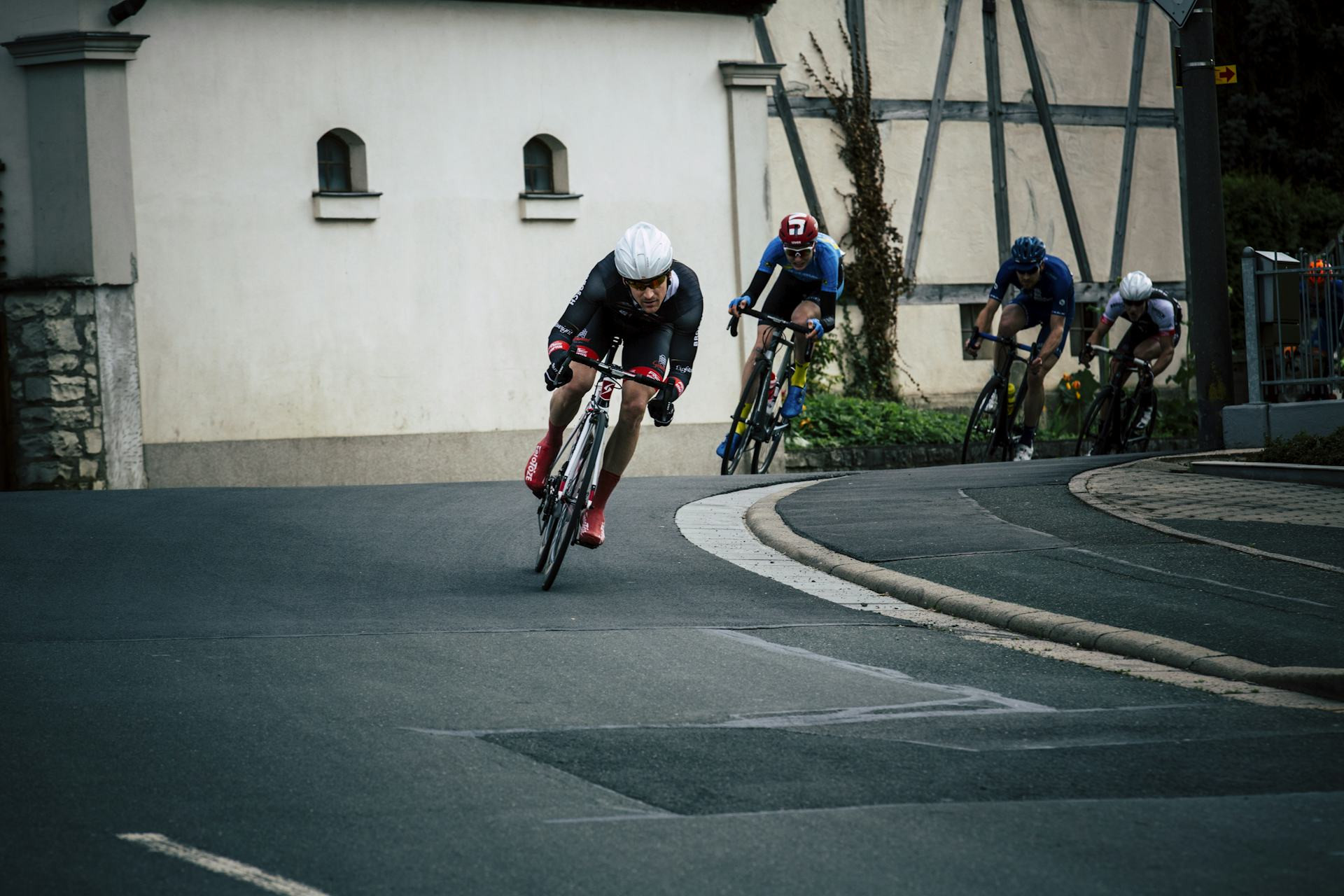
The spring classics—like Milan–San Remo, Tour of Flanders, and Liège–Bastogne–Liège—are cycling’s most unpredictable events. Crashes, punctures, and sudden attacks can turn the race upside down. That unpredictability makes them harder to forecast—but also more rewarding for those who can read the dynamics.
In one-day races, timing and positioning are everything. Riders with explosive power and tactical awareness can upset the favorites. Weather and terrain matter enormously: rain and cobblestones favor tough, resilient riders, while dry conditions can bring sprinters into play.
Value often lies with riders who fit the day’s conditions perfectly but aren’t on everyone’s radar. A strong domestique given freedom to attack can suddenly become the surprise winner.
Weeklong Stage Races – Form and Momentum
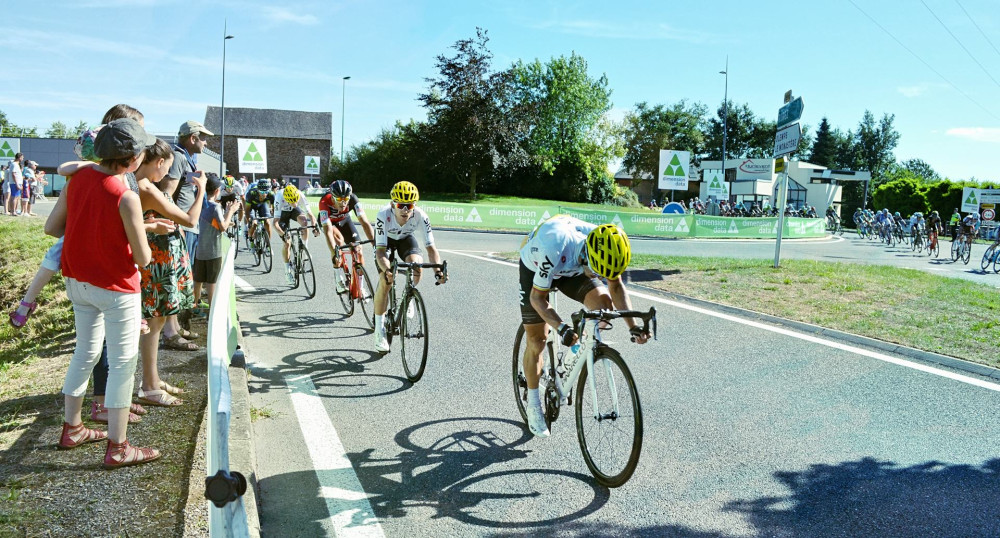
Races like Paris–Nice, Tirreno–Adriatico, and the Critérium du Dauphiné serve as key tune-ups for the Grand Tours, but they have their own rhythm. Typically lasting a week, they mix mountain stages, time trials, and sprint finishes.
These races reward riders who hit peak form at just the right time. Because they’re shorter, one bad day can ruin a general classification bid—but that also means riders who lack three-week endurance can shine here. For bettors, this is a chance to spot emerging form before the market catches on.
Keep an eye on riders returning from injury or those who’ve had a quiet start to the season. They’re often undervalued in the odds but ready to surprise.
Sprint Stages – Margins and Teamwork
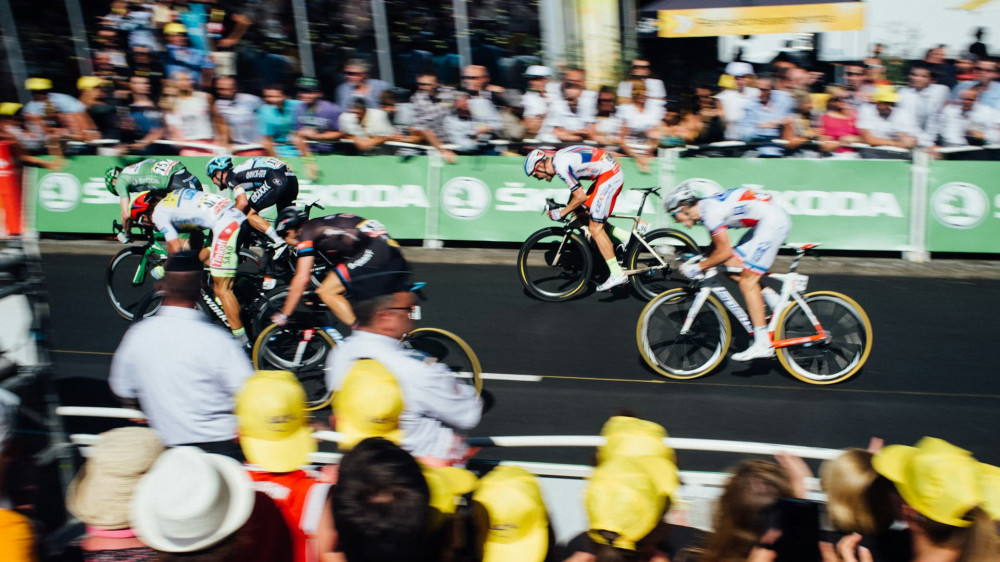
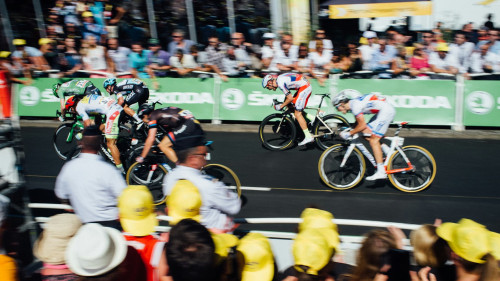
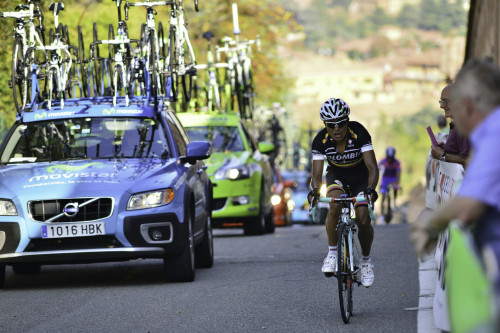
Flat stages and sprint finishes are decided in seconds. Here, teamwork is everything. A sprinter without a strong lead-out train rarely wins against a well-drilled squad.
When betting on stage winners, analyze the field composition: how many top sprinters are present, and which teams can control the final kilometers? Wind direction and weather can also change everything—crosswinds can split the peloton and create unexpected results.
Value often lies with riders who consistently finish in the top five but haven’t yet taken a win. They’re close, and when the timing finally clicks, the payout can be significant.
Læs også:

Mountain Stages – Where Specialists Shine
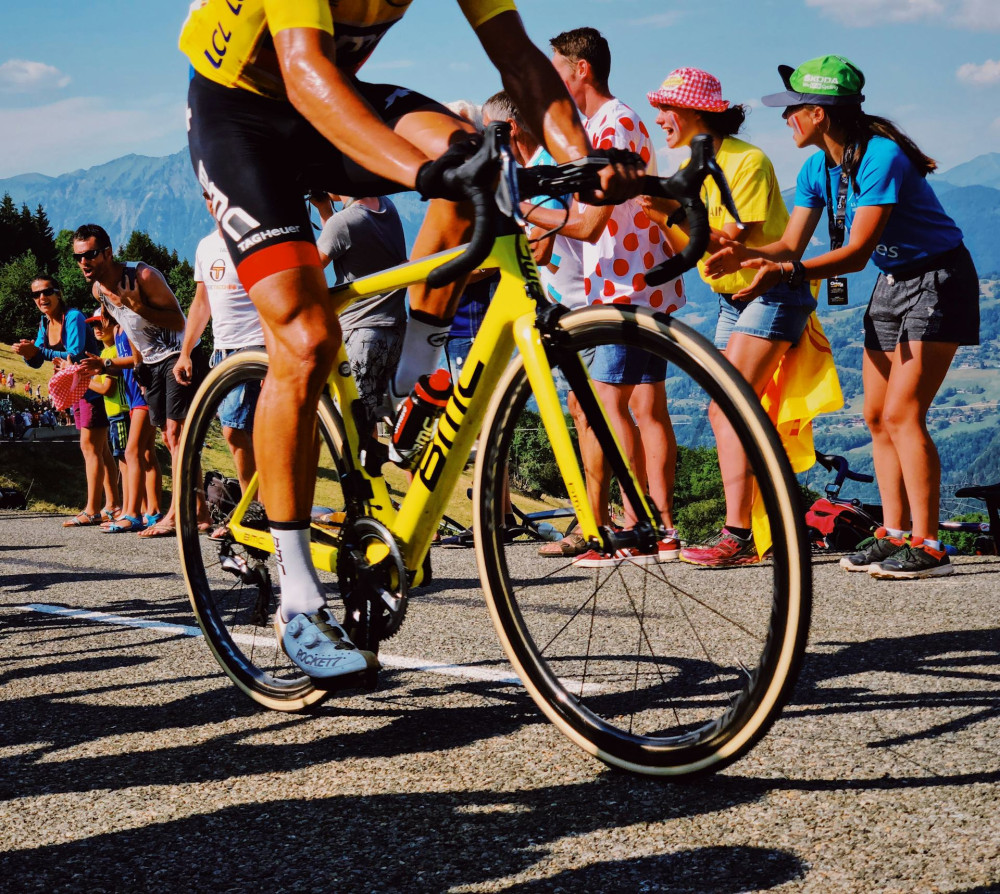
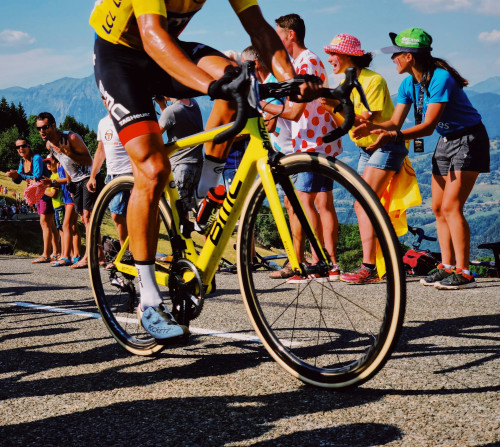
When the road tilts upward, the race transforms. Mountain stages in the Alps or Pyrenees separate true contenders from the rest. But even here, there’s value to be found.
Some riders target stage wins rather than the overall classification. Because they pose no threat to the favorites, they’re often allowed to join breakaways—and if they have the legs, they can take the victory. For bettors, these mid-race mountain stages can be goldmines, especially when the general classification riders are conserving energy.
Where Does the Betting Value Hide?
Betting value appears when the market underestimates a rider’s chances. That often happens during transitions—when riders change teams, shift roles, or return from injury. It can also occur when weather or route profiles favor a specific rider type that bookmakers haven’t fully accounted for.
Finding value requires more than knowing the favorites. It demands an understanding of race types, rider strengths, and team strategies. The deeper your insight into how each race unfolds, the better your chances of spotting the odds that truly pay off.
Læs også: