When Odds Create Community: Esports as a Social Experience with Responsibility

When Odds Create Community: Esports as a Social Experience with Responsibility
Esports has grown from a niche hobby into a global phenomenon, drawing millions of players and fans across the world. In the United States, arenas fill up for tournaments, college programs offer scholarships for competitive gaming, and online communities thrive around every major title. Alongside this rise, esports betting has become a significant part of the culture. For many, it’s not just about the potential to win money—it’s about engagement, excitement, and belonging. But with that sense of community also comes a shared responsibility.
When Gaming Becomes a Social Experience
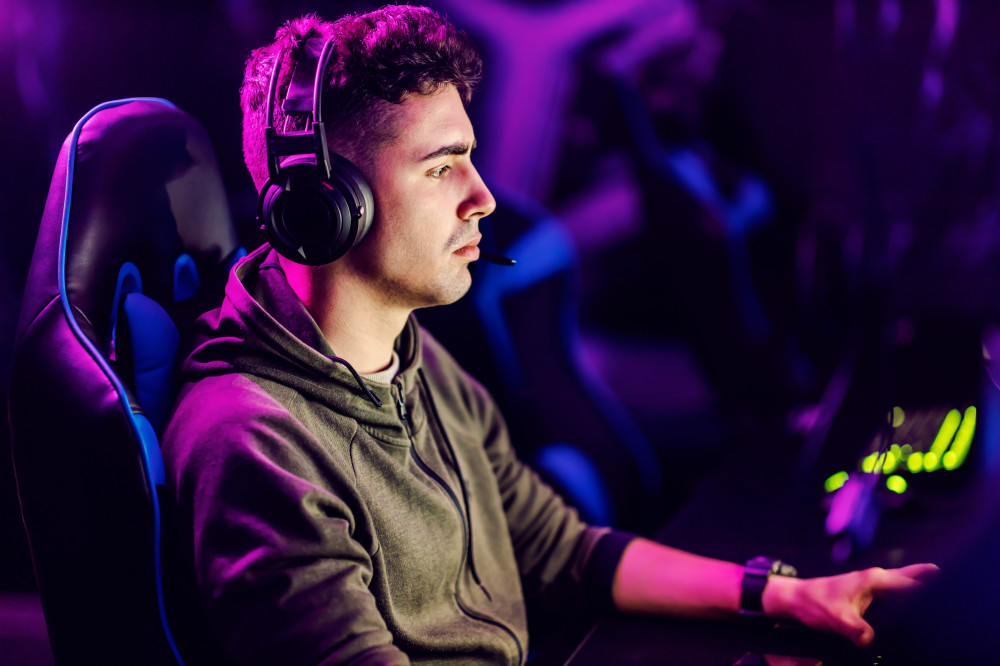
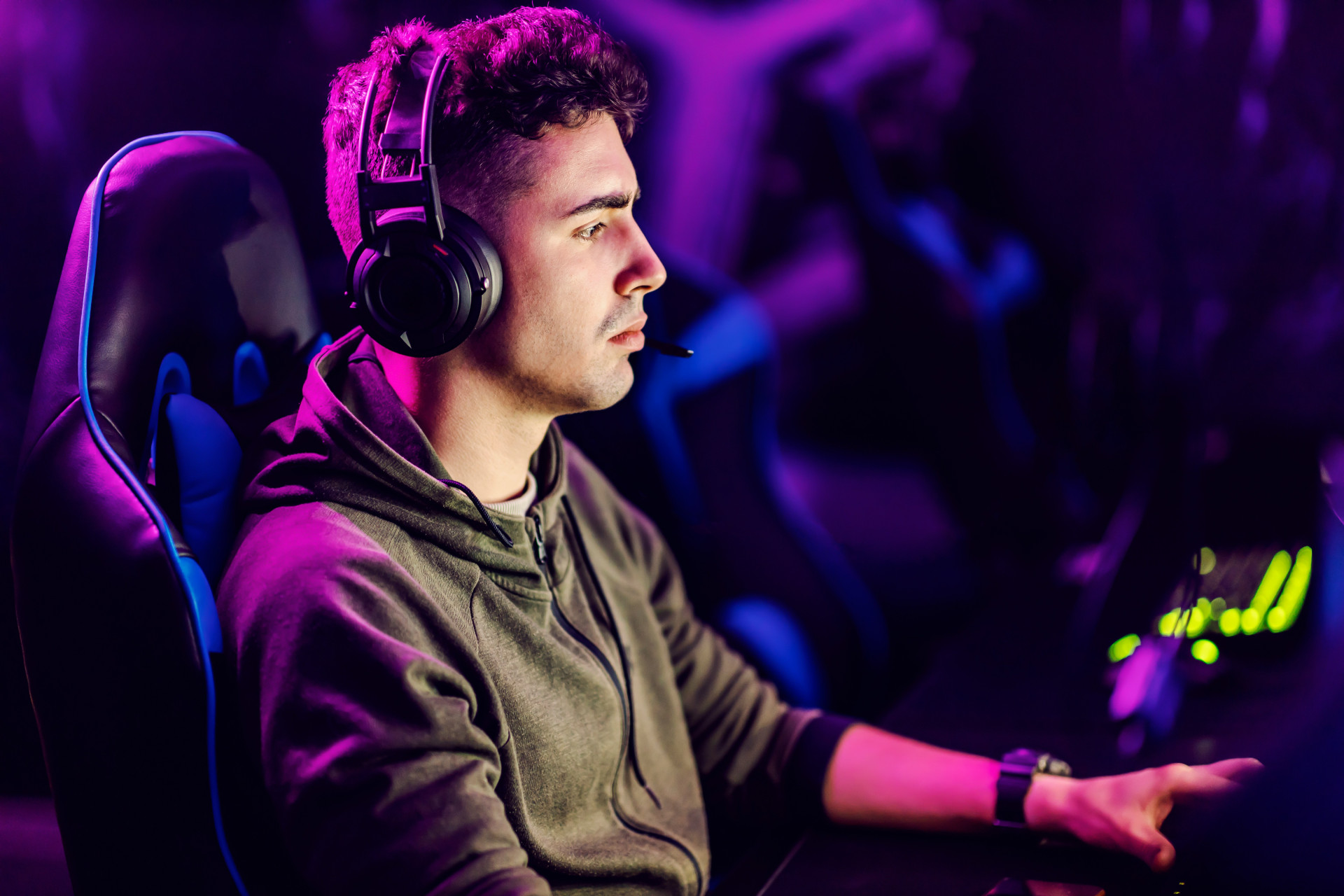
At its core, esports is social. Whether it’s Counter-Strike 2, League of Legends, or Valorant, success depends on teamwork, communication, and trust. The same is true for fans. They gather on streaming platforms like Twitch and YouTube, in local gaming cafés, or at major events such as the League Championship Series or EVO. The energy in these spaces rivals that of traditional sports arenas.
For some, placing a small wager on a favorite team adds another layer of excitement. It turns watching a match into a more personal experience—one where fans feel directly connected to the outcome. Betting, when done responsibly, can enhance the sense of participation and community that makes esports so compelling.
Læs også:



The Power—and Pitfalls—of Community
The social side of esports and betting can be both empowering and risky. On one hand, it brings people together across backgrounds, generations, and geographies. Online forums, Discord servers, and local meetups create spaces for shared passion and friendship. On the other hand, the same sense of belonging can lead to peer pressure or unrealistic expectations, especially among younger fans.
That’s why open conversations about responsible play are essential. Responsible betting means knowing your limits—financially and emotionally. It’s about treating betting as entertainment, not as a source of income. Many U.S. platforms now offer tools like deposit limits, timeouts, and self-exclusion options to help users stay in control.
Responsibility as Part of the Culture
As esports and betting continue to intertwine, the need for a culture of responsibility grows stronger. Professional teams, tournament organizers, and betting providers all share a duty to promote healthy habits and transparency. In the U.S., organizations such as the Esports Trade Association and various responsible gaming initiatives are working to ensure that excitement never comes at the cost of well-being.
The goal isn’t to remove the thrill—it’s to make sure it remains safe and enjoyable. When players, fans, and companies all take responsibility, esports can continue to thrive as a positive and inclusive community.
From Competition to Connection
The true strength of esports lies in its ability to connect people. Whether you’re playing, watching, or placing a friendly wager, it’s the shared experience that makes it special. Celebrating a clutch play, debating strategies, or cheering for your favorite team turns gaming into something more than competition—it becomes a collective moment.
And that’s why responsibility matters. It doesn’t limit the fun; it protects it. By approaching betting and gaming with awareness and balance, fans can be part of something bigger—without losing control.
A New Kind of Community
Esports and betting are here to stay, evolving side by side. The future lies in finding harmony between excitement and responsibility, between competition and community. When odds become a way to share experiences rather than a source of stress, esports can continue to be what it does best: bringing people together, inspiring passion, and building connections that go far beyond the screen.
Læs også: