The Movement of the Forwards: When Tactics and Game Intelligence Meet

The Movement of the Forwards: When Tactics and Game Intelligence Meet
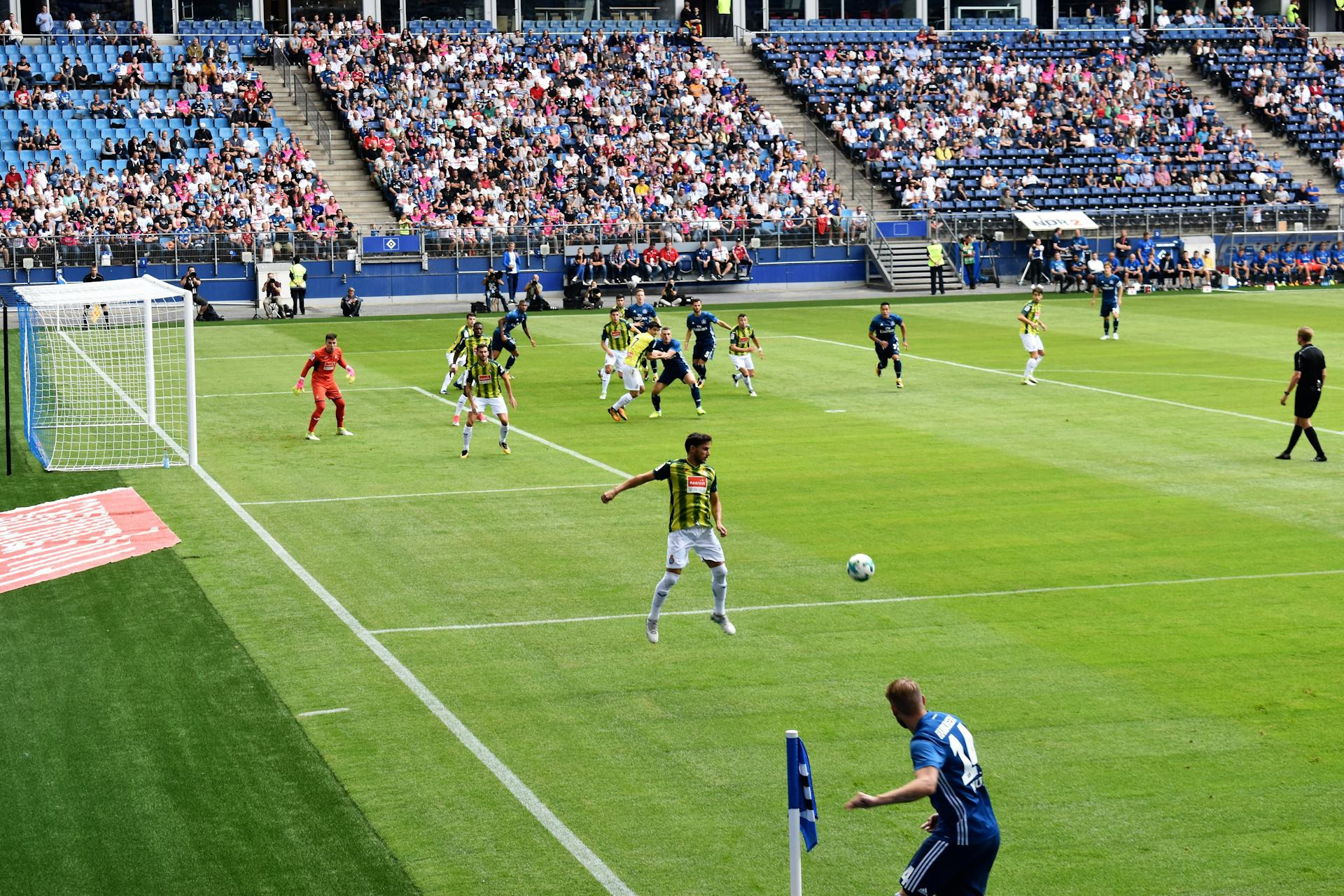
In modern soccer, the forward is no longer just the player expected to finish chances. The role has evolved into a tactical centerpiece—someone who creates space, manipulates defenders, and connects the team’s attacking play. The movement of the forwards has become a study in timing, awareness, and coordination. It’s at the intersection of tactical structure and instinctive intelligence that the best forwards separate themselves from the rest.
From Classic Striker to Modern Forward
In earlier eras, the striker’s job was simple: score goals. Players like Gary Lineker or Miroslav Klose built their reputations on being in the right place at the right time. Today, the demands are far broader. A forward must press high, link play, and open lanes for teammates.
The modern forward must understand the entire team’s rhythm. They need to know when to drop deep to draw a defender out, when to stretch the back line with a run in behind, and when to hold their position to maintain attacking balance. It’s a role that requires both tactical discipline and an intuitive sense of the game’s flow.
Movement as a Weapon
A forward’s off-ball movement often determines whether an attack becomes dangerous. A single step in the right direction can unbalance an organized defense. The best forwards constantly adjust—one step forward, one step back, a diagonal shift—to keep defenders guessing.
- Runs in behind force defenders to retreat, creating space between the lines.
- Decoy runs pull defenders out of position, opening gaps for teammates.
- Diagonal movements make it harder for defenders to pass off marking responsibilities.
These movements are not random. They are the product of training, communication, and a shared understanding of how the team wants to attack.
The Connection with the Midfield
A forward is only as effective as the players who supply them. The relationship with the midfield is crucial. When a forward drops into space, the midfield must recognize whether it’s to receive the ball or to lure a defender out. When the forward makes a run in behind, the pass must arrive in that split second when the defense is unsettled.
In many modern systems—such as the 4-3-3 or 3-4-2-1—the forward is part of a fluid attacking trio where roles constantly interchange. This requires players to read each other’s intentions, rotate positions, and create overloads on specific areas of the field. Here, game intelligence becomes just as important as technical skill.
Data and Analysis: The New Dimension
Today, the movement of forwards is analyzed down to the smallest detail. GPS tracking, heat maps, and video analysis reveal where and how players move. Coaches can measure how often a forward finds space between lines, how many runs create openings, and how effectively they press.
This data doesn’t just improve individual performance—it shapes team tactics. A team that understands and exploits its forwards’ movement patterns can break down even the most compact defenses. Analytics have become a tool for turning instinctive movement into repeatable, strategic advantage.
When Intuition Meets Strategy
Even in an age of data and tactical precision, soccer remains a game of intuition. The best forwards—whether it’s players like Harry Kane, Kylian Mbappé, or Sophia Smith—combine analytical understanding with an almost instinctive sense of where the ball will go next. They read the game a fraction of a second faster than everyone else.
It’s in this meeting of planning and spontaneity that the magic happens. A perfectly timed run or a subtle change of direction can’t always be explained—it has to be felt. That feeling is what makes the forward’s role one of the most captivating in the sport.
Læs også:

Conclusion: Movement as the Key to Success
The movement of the forwards is not just about speed or finishing ability. It’s about understanding the whole game—reading defenders, anticipating teammates, and executing the right action at the right moment. When tactics and game intelligence meet, the forward becomes more than a goal scorer—they become the conductor of the team’s entire attacking symphony.
Læs også: