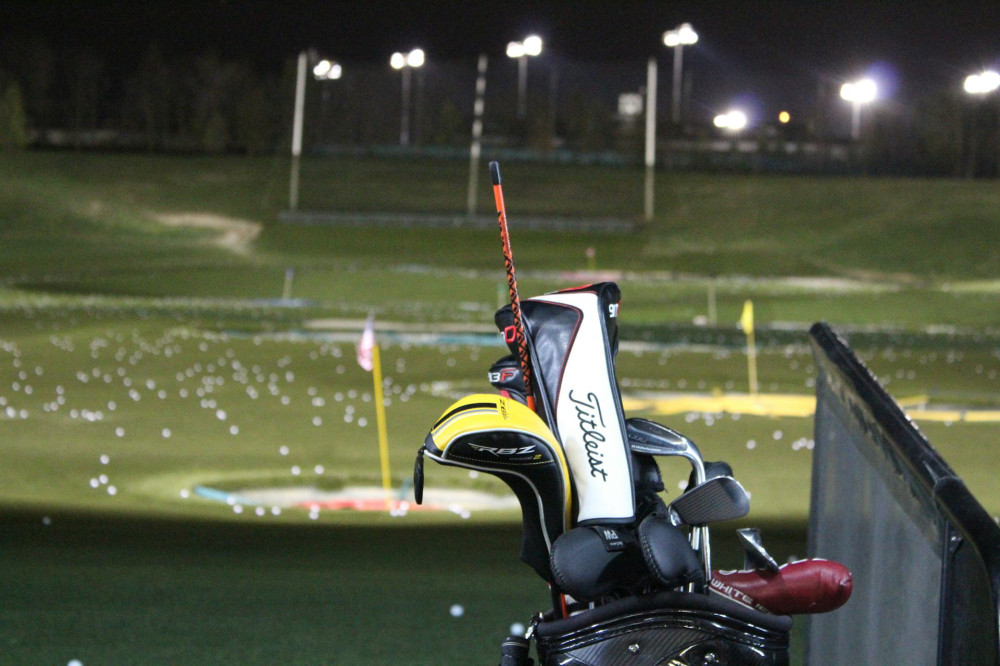
Climate and Performance: When Do Golfers Perform Best Under Different Conditions?

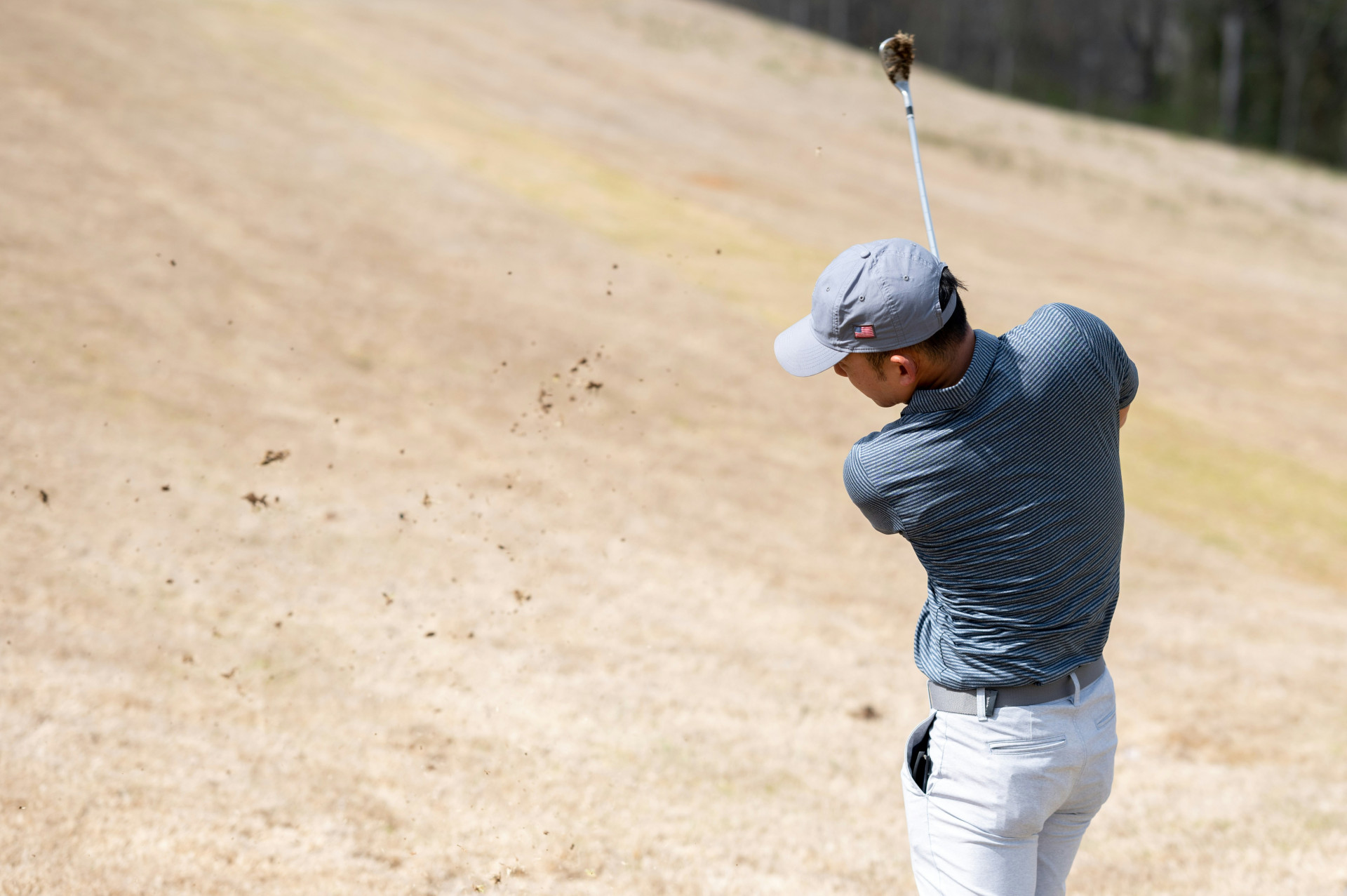
Climate and Performance: When Do Golfers Perform Best Under Different Conditions?
Golf is one of the few sports where nature is an active participant. Wind, temperature, humidity, and even altitude can all influence how far the ball travels and how well a player performs. But how exactly do golfers respond to different weather conditions? And is there such a thing as “perfect golf weather”? Research and experience from both amateurs and professionals suggest that climate affects not only the technical side of the game but also the physical and mental aspects of performance.
Temperature – the sweet spot between comfort and fatigue
Most golfers perform best in moderate warmth. Studies indicate that temperatures between 65°F and 77°F (18–25°C) provide ideal conditions for both muscle function and concentration. In cooler weather, muscles stiffen, and the ball travels shorter distances because the air is denser. When the temperature climbs above 86°F (30°C), accuracy often drops as the body diverts energy to cooling itself.
Professional players adapt by adjusting their equipment and strategy. In cold weather, many choose a softer ball to compensate for reduced distance, while in hot conditions they focus on hydration and pacing. For recreational golfers, the key is dressing appropriately and taking breaks—playing with the weather, not against it.
Wind – golf’s invisible opponent
Wind is perhaps the most unpredictable factor in golf. Even a light breeze can alter a ball’s flight, and strong gusts demand constant adjustments in club selection and shot shape. Many players find that windy days sharpen their focus—they’re forced to think strategically and accept that perfection is out of reach.
Experienced golfers learn to “play low” into the wind and use tailwinds to their advantage. But wind also tests mental resilience: some players get frustrated, while others thrive on the challenge. It’s often in windy conditions that the difference between composure and impatience becomes most visible.
Humidity and the flight of the ball
Humid air feels heavy, but in reality, a golf ball travels slightly farther in humid conditions. That’s because water vapor is lighter than the nitrogen molecules it replaces in the air. The difference is small—just a few yards on a long drive—but for professionals, those yards can matter.
Humidity, however, affects grip and feel. A damp glove or slippery club shaft can make control difficult. That’s why players often rotate gloves or use towels between shots when the air is moist or the course is wet.
Altitude and air pressure – thin air, long drives
At higher elevations, such as in Denver or Albuquerque, the air is thinner, and the ball can travel up to 10% farther. This can be a thrill for golfers used to sea-level courses, but it also requires recalibration—both in club selection and distance judgment.
Players who travel between tournaments in different climates must adapt quickly. Many use practice rounds to “relearn” how the ball behaves under local conditions, noting how far each club carries in the thinner or denser air.
Læs også:


The psychology of weather – when mood meets performance
Weather doesn’t just affect the body; it influences the mind. Sunshine and warmth can boost energy and optimism, while cold rain can sap motivation. Some golfers describe how they “warm up mentally” in poor weather, while others lose focus when conditions turn uncomfortable.
Sports psychologists note that the best golfers are those who accept weather as part of the game. They treat it as a mental exercise in patience and adaptability. It’s no coincidence that many tournaments are won by players who stay calm when the weather turns difficult.
When do golfers perform best?
Overall, golfers tend to perform best under stable, moderate conditions—light wind, dry fairways, and temperatures around 70°F (21°C). But that’s not necessarily when the best players distinguish themselves. The greatest performances often occur when the weather challenges them—and they adapt successfully.
For both amateurs and professionals, the lesson is clear: don’t wait for perfect weather. Learn how climate affects your game, and use that knowledge to your advantage. After all, in golf, mastering the elements is part of mastering the sport itself.
Læs også: